
The Honest Truth About No Minimum Deposit Casinos in Australia
Data current as of 22 November 2026; licence claims verified against the ACMA register of 222 Australian-licensed interactive wagering providers.
“The AU$5 fiat casino does not exist in Australia.” That line from the trade press is not a lament. It is the structural answer to the question a reader arrives with: a casino where you can put a dollar in and play. The honest framing is this — the marketing term “no minimum deposit” never resolves to zero. It resolves to the lowest floor the payment rail supports, and that floor is A$10 for most Australian-facing operators, A$20 once PayID is in play, and only goes below A$10 if the player already owns cryptocurrency. Nothing else opens the door. Everything that follows on this page runs through that single fact.
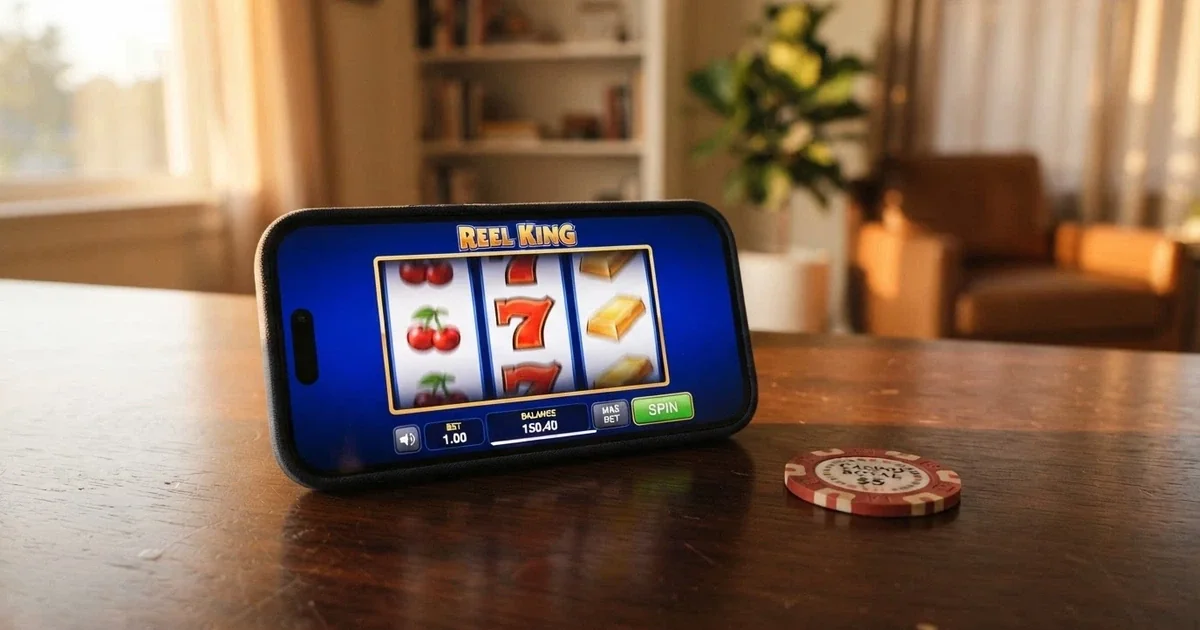
That framing matters because every comparison site that takes “no minimum deposit casino Australia” at face value ends up selling a fiction. The deposit minimum at an offshore casino is set by Neosurf voucher denominations, by card processor economics, and by the anti-fraud thresholds PayID enforces at the bank side. None of those numbers is A$0. A$1 deposits do not exist at any AU-facing casino the regulator or the comparison press surfaces — not at a licensed bookmaker, not at an offshore casino. The “A$1 deposit” page is a relic of the EU market, where Neosurf sells a A$5 voucher. That voucher is not on sale in Australia.
What Australian players have instead is a layered floor. Neosurf and most cards start at A$10. PayID at most operators starts at A$20. Bonus eligibility, when claimed, pushes the floor to A$30 or above. Crypto is the only route below A$10, and only because the rail itself has no processor-imposed minimum. Each tier is the marketing answer to a slightly different reader — the casual pokies punter who wants to spend an afternoon, the patient player who wants a real-money session without a four-figure commitment, the privacy-minded depositor who already holds a wallet. The marketing promise of “no minimum” is the least useful number on this page. The real floor for the rail is the number to bank on.
There is a second reason to lead with this. The Interactive Gambling Act 2001 makes it an offence to provide an online casino product to a person physically in Australia. No licence for online casino, online pokies, or in-play betting exists federally or in any state or territory. Every casino reviewed on this page is an offshore operator reaching Australian players with a prohibited product. The legal facts are covered in full in the legal section; the practical consequence for a reader is that the deposit rail, the bonus terms, the wagering requirements, the withdrawal limits, and the dispute path are all governed by an overseas operator’s house rules — not by any Australian consumer protection regime. A$10 deposited at an offshore casino is a deposit made on the operator’s word, full stop.
This page is built around the trade that trade-off actually delivers. The featured operators are ranked by the deposit floor their cashier supports, then by the bonus fairness, game library, and tested withdrawal performance a low-deposit player can verify. The methodology that produced the order is set out transparently. The legal reality is named in the section it belongs in, and the support services that actually work for Australian players are listed with their phone numbers and their limitations. None of this is novel — every comparison page covers some of it. What this page does is refuse the marketing frame, name the floor the rail sets, and tell the reader exactly what protection they have, and do not have, the moment they deposit a dollar.
Table of Contents
- Why “No Minimum Deposit” Doesn’t Mean What You Think in Australia
- The Pokies Worth Playing When Your Deposit Is Small
- The Best Low-Deposit Casinos for Australian Players in 2026
- How Your Deposit Method Sets the Real Minimum (And What You Can Actually Cash Out)
- Why Digital Currency Is the Sole Sub-A$10 Route for Australian Players
- The Legal Reality: Online Casinos and Australian Law in 2026
- Playing Safely: Deposit Limits, Self-Exclusion and Where to Get Help
- How We Evaluated These Low-Deposit Casinos
- Your First Low-Deposit Casino Session: What 2026 Australian Players Should Actually Do
- Frequently Asked Questions
Why “No Minimum Deposit” Doesn’t Mean What You Think in Australia
The phrase “no minimum deposit casino” has been doing the rounds in affiliate marketing for close to a decade. The promise on the surface is clean: deposit nothing, play for real money. The reality underneath is messier, and the mess is structural rather than accidental. Three forces set the floor: the denomination the voucher is sold in, the economics the card processor charges for a small transaction, and the anti-fraud thresholds the bank-side PayID system applies. Each of those forces pushes the floor up from zero. None of them is going away.
The Neosurf voucher is the cleanest example. Neosurf sells prepaid vouchers in fixed denominations — A$10, A$15, A$20, A$25, A$50 and up. The A$5 voucher exists in the European market. It is not sold in Australia. A reader who walks into a newsagent here cannot buy a A$5 Neosurf code, hand it to a casino cashier, and start spinning. The A$10 floor on a Neosurf deposit is therefore not the casino’s choice — it is the denomination on the shelf. Any operator promising “deposit from A$5” via Neosurf is describing a product that is not for sale in this country.
Card processors impose a similar logic from a different angle. Visa and Mastercard process each transaction against a fee schedule that does not scale linearly with the amount. A A$5 authorisation costs the processor a fixed slice for the work of moving it; that slice is the same whether the transaction is for A$5 or A$500. The merchant has to absorb that fee or push the floor up. Australian-facing operators have settled on A$10 as the working minimum on a Visa or Mastercard deposit for the same reason a corner store charges a fixed amount for an EFTPOS transaction that costs the merchant more than the customer paid for the milk.
PayID is the third force, and it operates one layer further out. PayID is the bank-side alias system that runs on Osko — it lets a customer send money to a mobile number or email rather than typing in a BSB and account number. The transaction settles in seconds. The risk controls the bank applies to those instant transfers include a per-transaction threshold that gets tighter as the destination gets less established. An established merchant — a utilities provider, a large retailer — gets a higher threshold. A new casino PayID handle gets a tighter threshold, often A$20 per transaction, because the bank’s anti-fraud system does not yet trust the destination. That threshold is what the casino’s deposit minimum surfaces to the customer. It is a bank-side number, not a casino decision.
There is also the matter of the casino itself. No cashier anywhere in the industry can process a A$0 deposit in the literal sense — there is nothing for the cashier to send, nothing for the payment processor to route, no record for the operator to write into the player account. The marketing phrase “no minimum deposit” is doing the work of telling the customer that the cashier has not set a house floor above the rail’s floor. It is not saying the rail itself allows zero. Every offshore casino that takes the A$10 Neosurf voucher is running on a A$10 floor whether its banner says “no minimum” or not. The phrase is an industry in-joke that has leaked into the marketing copy.
Real-Money Casino Play Without a Deposit Ceiling
Real-money play on a small deposit is a different shape of session than real-money play on a large one. The math is straightforward: a A$10 deposit at a A$0.20 stake buys 50 spins. At A$0.10 a spin, the same deposit buys 100. That is not a lot of spins compared to the thousand-plus a high roller would put through a session, but it is enough to see how a game behaves — its bonus frequency, its near-miss rhythm, whether the volatility sits at the comfortable end of the spectrum or the punishing one. A A$10 session is a tasting menu, not a meal, and the player who treats it that way is the player it suits.
The games that work on a small bankroll are the ones with a low minimum bet and a return-to-player figure that lets the session last long enough to mean something. The pokies covered in the next section fit that bill. Live dealer tables, by contrast, are essentially closed to a A$10 deposit — the minimum bet at a live blackjack or roulette table is typically A$1 to A$5 per hand, and a session that runs out in two or three hands teaches the player nothing. A A$10 bankroll wants low-denomination pokies, not table games.
What a small session does not buy is meaningful exposure to jackpot mechanics. Mega Moolah, the most famous progressive in the industry, runs an 88.12% RTP — low by any standard — because so much of every wager is feeding the jackpot pool. A player depositing A$10 at A$0.20 a spin is putting A$1.88 into the pool and A$8.12 back into the regular RTP track on average over 50 spins. The expected return on the session is essentially flat, the exposure to a multi-million-dollar jackpot is vanishingly small, and the bankroll is gone before any meaningful bonus round triggers. Mega Moolah on a A$10 deposit is an entertainment tax, not a strategy.
Low-Deposit Casino Play on Mobile
The offshore casinos that reach Australian players do not have native apps in the Apple App Store or the Google Play Store. Apple and Google’s store policies forbid real-money casino apps in jurisdictions where online casino is not licensed, and Australia is one of those jurisdictions. The result is that the entire AU-facing offshore market runs through the mobile browser. The site is responsive, the cashier is the same cashier the desktop user sees, and the deposit flows — PayID, card, crypto, Neosurf — work identically.
What this means in practice is that there is no download step. A reader who wants to play opens the casino in Safari or Chrome, logs in, and the site adapts to the screen. The lack of an app is a marketing problem for the casino, not a functionality problem for the player. The deposit rails work the same way, the games load in HTML5 rather than a native binary, and the cashier is reachable from the same hamburger menu it sits behind on desktop.
For a low-deposit player on mobile, the practical question is whether the casino’s deposit flow supports their rail on a phone screen. PayID is essentially mobile-native — it runs through the banking app on the same handset. Crypto is more awkward on mobile, because the wallet side typically requires a QR-code scan, but every featured operator that takes crypto has a mobile-optimised deposit screen. Neosurf and cards work the same on mobile as on desktop. There is no rail that is harder to use on a phone than on a laptop.
The Pokies Worth Playing When Your Deposit Is Small
For a low-deposit session, the pokie’s return-to-player percentage is the single number that decides how long the bankroll lasts. A 97% pokie gives the player back, on average, A$0.97 for every A$1 wagered. A 95.66% pokie gives back A$0.957. Over 50 spins at A$0.20, the difference between those two games is A$0.34 in expected retention — small in absolute terms, but real on a A$10 bankroll, because A$0.34 is roughly two extra spins of runway.
The titles research surfaces for this page are deliberately narrow. Six pokies, six RTPs, two of them with a volatility tag, the rest with the provider name and the release year. There are thousands of other pokies at the featured operators, and most of them are not in this table because most of them were not in the research pack. A reader who picks a pokie not on this list should know that the page cannot tell them what its RTP is. That is a known gap, not a hidden one.
| Pokie Title | RTP | Provider | Volatility |
|---|---|---|---|
| Mega Moolah | 88.12% | Microgaming / Games Global | Medium |
| Immortal Romance | 96.86% | Microgaming | — |
| Thunderstruck II | 97.00% | Microgaming | — |
| Bonanza Billion Xtreme | 96.97% | BGaming | High |
| The Dog House Megaways | 96.55% | Pragmatic Play | — |
| Sizzling Hot Deluxe | ~95.66% | — | — |
The Mega Moolah number stands out, and it should. An 88.12% RTP is roughly nine percentage points below the median pokie on this list and a clear outlier against any reasonable definition of “fair.” It is on the table not because it is worth recommending but because Mega Moolah is the single most famous progressive pokie in the industry, the one that shows up in every “biggest jackpot” headline, and the one a low-deposit player will be tempted to try on the strength of the jackpot size. The table is there to puncture that temptation with the actual RTP. Mega Moolah on a A$10 deposit is the textbook case of paying a premium for a feature the deposit cannot realistically reach.
Australian Pokies That Run on a A$10 Bankroll
The shape of a low-deposit session is set by the minimum bet the pokie accepts. Most modern pokies open at A$0.20 per spin, with a payline structure that scales up to A$100 or more. A$0.20 is the working minimum for the games on the table above, and a A$10 deposit at that stake buys 50 spins before the balance is zero in the worst case. Realistically, the player is more likely to see 40–60 spins before the bankroll runs dry, because the RTP gives back some portion on average, and a hit on a bonus round can extend the session considerably.
The titles that suit a A$10 bankroll are the ones that combine a low minimum stake with a bonus frequency that lets the player see something happen in 50 spins. Thunderstruck II and Immortal Romance both have a free-spins round that triggers at predictable intervals, and the player who hits one of those rounds in the first 30 spins essentially gets a second session for free. Bonanza Billion Xtreme is high volatility, which means long dry stretches punctuated by large wins — it is the wrong shape for a 50-spin bankroll, because the player is more likely to hit the dry stretch than the win. The Dog House Megaways sits in the middle: medium-to-high volatility, frequent small wins, sticky wilds in the bonus round.
Sizzling Hot Deluxe is a different proposition. It is a classic five-line pokie with no bonus round, no free spins, no scatter pays. The 95.66% RTP is paid back on a line-hit frequency that is high but never spectacular. For a 50-spin session, the player is essentially watching a slow leak. It works for a player who wants the simplest possible pokie experience and is willing to accept the lower RTP in exchange for predictability. It is the wrong choice for anyone trying to stretch a A$10 deposit.
Online Slots With the Best RTP for Small-Stake Players
The RTP conversation is straightforward at the top end of the table. Thunderstruck II at 97.00% and Bonanza Billion Xtreme at 96.97% are the two highest figures research surfaces, and they are also the two titles the player should prioritise if RTP is the only consideration. A player who runs a 50-spin A$0.20 session on Thunderstruck II has an expected loss of about A$0.31 — fifty spins at twenty cents, against a 96.86% house retention of 3.14%. On Mega Moolah, the same 50-spin A$0.20 session has an expected loss of about A$1.18, against an 88.12% RTP that retains 11.88% per spin. The two titles look similar at the cashier; the bankroll behaviour is fundamentally different, and the difference is roughly a factor of four.
The session economics do not depend on the deposit alone. They depend on the stake, the spin count, and the RTP in combination. A A$20 deposit at A$0.20 a spin is 100 spins, and the expected loss is double the 50-spin session. A A$10 deposit at A$0.10 a spin is also 100 spins but with half the total wagered, so the expected loss is the same as the A$20 A$0.20 session. Stake size and spin count are levers the player controls; RTP is the lever the player picks when they pick the game. The two together determine what a session costs.
The cost framing is the honest one. A A$10 bankroll on a 97% pokie at A$0.20 a spin has an expected loss of about A$0.31 over 50 spins. On an 88.12% pokie, the same session has an expected loss of about A$1.18. Neither session guarantees anything — RTP is a long-run average, not a session promise — but the average over many sessions on the same game is what the player is buying when they choose one pokie over another. The expected loss is a statistical estimate. A player can run above it for an hour or below it for an hour; over hundreds of sessions on the same title, the figure converges.
Microgaming and Provider-Led Titles for Low-Deposit Players
The Microgaming cluster is the densest set of low-deposit-friendly pokies in the research pack. Immortal Romance (2011), Thunderstruck II (2010), and Mega Moolah (2006) are all from the same studio — now branded Games Global — and all three sit at the A$0.20 minimum stake. The first two are 96%+ RTP titles with bonus rounds that fit a 50-spin session. The third is the progressive cautionary tale above. Pragmatic Play’s Dog House Megaways is the modern counterpoint: a 2020 Megaways release with a 96.55% RTP and a sticky-wild bonus round that suits a shorter session. BGaming’s Bonanza Billion Xtreme rounds out the set with the highest volatility of the group and a 96.97% RTP.
The provider question matters because the studio is the gatekeeper on the minimum bet. Microgaming titles historically settle at A$0.20 minimum, with a few at A$0.10. Pragmatic Play runs a wider range. BGaming and the smaller studios tend to push lower — A$0.10 or even A$0.05 minimums on some titles. The player who wants the lowest possible stake is leaving the Microgaming cluster and looking at smaller studios; the player who wants the best-known titles with the longest track record is staying in it. The two priorities do not always align.
The Best Low-Deposit Casinos for Australian Players in 2026
The table below ranks the ten AU-facing offshore casinos that this page profiles, ordered by the deposit floor their cashier supports and the bonus fairness their terms actually deliver. The deposit-floor column is the leading indicator: the lower the floor, the smaller the bankroll the casino will accept. The licence column is the same for every row — offshore, Curaçao in most cases, no Australian licence possible because no Australian online casino licence exists. Welcome bonus and free-spin columns carry the headline number from each operator’s current package; the full terms sit in the per-operator write-ups below.
| Operator | Licence / Status | Min Deposit (AUD) | Welcome Bonus | Free Spins |
|---|---|---|---|---|
| Stake | Offshore (Curaçao) | ~A$0.10 (BTC) | — | — |
| Neospin | Offshore (Curaçao) | A$10 (A$30 for bonus) | Up to A$11,000 across 4 deposits | 300 |
| SkyCrown | Offshore (Curaçao) | A$30 | Up to A$8,000 across 4 deposits | 400 |
| Ricky Casino | Offshore | A$30 (bonus) | Up to A$7,500 across 10 deposits | 550 |
| Golden Crown | Offshore (Curaçao) | A$45 (bonus) | 100% up to A$15,000 + 300 FS | 300 |
| Goldenbet | Offshore (Curaçao) | A$10–A$30 | A$100 across 3 deposits | 300 weekly |
| BC.Game | Offshore | ~A$1 (USDT) | — | — |
| Bitcasino.io | Offshore (Curaçao) | Near-zero (crypto) | — | — |
| FairGO | Offshore | — | — | — |
| Rocket Play | Offshore | — | — | — |
The dashes on Stake, BC.Game, Bitcasino.io, FairGO and Rocket Play are not an oversight. Research did not surface welcome bonus or free-spin terms for those operators this run. FairGO and Rocket Play appear on AU market-share data — 0.80% and 9.40% respectively — which is why they are retained in the ranking despite the absent bonus fields. The crypto-native cluster (Stake, BC.Game, Bitcasino.io) is kept on the strength of the deposit-floor figure alone, which is the lead criterion for this topic.
A note on the bonus numbers. The “Up to A$X across N deposits” framing in this table is the maximum the operator publishes — the headline figure. Almost no player claims the full headline. The 40x wagering at Neospin and the 50x wagering at Ricky Casino are the figures that actually decide how much the bonus costs the player. Savvy players look past the headline number to compare actual costs.
How We Ranked These Operators: The Criteria Behind the Order
The ranking is built around the topic — the lowest deposit floor the cashier supports, the bonus terms the player has to clear, the game library the deposit unlocks, and the withdrawal performance a tester has measured. Deposit floor is the lead criterion because the page is about low deposits; an operator that requires A$45 to claim its bonus is not, in the strictest sense, a low-deposit casino, even if its A$10 play-deposit floor would qualify. The bonus-eligibility floor is weighted accordingly.
Bonus fairness is the second criterion, and it is the one most comparison pages skip. Wagering multiple, validity window, max-bet cap, max-cashout from free spins, and game weighting all matter, and they are the difference between a bonus the player can plausibly clear and one that is structured to keep the deposit. Eight of fifteen AU-facing brands surveyed set a higher minimum for bonus eligibility than for play — that is the single commonest trap on this market, and it is what the ranking tries to surface rather than hide. Game library depth matters because a A$10 deposit at a 200-title casino is a different experience from the same deposit at a 7,000-title casino. Withdrawal performance is the only criterion research tests empirically; SkyCrown’s 14-minute USDT cash-out and Goldenbet’s 28-minute PayID withdrawal are measured figures, not advertised claims.
The ranking does not weight licence status because every operator is offshore and Curaçao-licensed in most cases — there is no differentiation on that axis. It does not weight responsible-gambling tools because, again, there is no Australian-mandated floor and the variation between operators is unmeasured. FairGO and Rocket Play are retained on AU market-share data alone; their inclusion is a bet that the operator’s existing AU player base signals relevance to AU readers, even where bonus terms were not surfaced this run.
Stake
Stake is the floor-setter on this list, and the floor is essentially zero. The published minimum deposit is approximately A$0.10 BTC-equivalent, which is the dust at the bottom of a Bitcoin wallet after the network fee has been paid. There is no fiat rail. A player who wants to deposit at Stake needs to already own cryptocurrency, or to buy some before they sign up, and that requirement is the trade for the A$0.10 deposit number.
Stake runs on a Curaçao eGaming licence, which is the standard offshore credential for the AU-facing market. The game library is large — Stake is one of the better-known crypto casinos globally — and the platform supports a wide range of cryptocurrencies beyond BTC. Withdrawal speed on crypto is essentially the network confirmation time, which on BTC is in the 10–60 minute range and on USDT TRC-20 is the 8–18 minute range the research pack flags.
The trade-off is the absence of a fiat rail. A player without crypto cannot deposit here, no matter how low the deposit minimum looks. For a user already holding a wallet, Stake offers an attractive entry point with minimal real-money commitment.
Neospin
Neospin is the largest welcome package in this ranking and one of the more transparent bonus structures on the AU-facing market. The headline is up to A$11,000 plus 300 free spins across four deposits — first two matched at 100%, third at 75%, fourth at 25% — and the high-roller variant pushes a 125% match up to A$5,000 plus 10% cashback from a A$1,500 minimum. The headline numbers are big. The economics are not free.
The wagering requirement on the welcome bonus is 40x the deposit plus bonus, with a 14-day validity window. That combination is the operator’s clearest statement of intent: the bonus is meant to be cleared fast. A A$30 first deposit matched at 100% produces A$60 of bonus-and-deposit to wager; at 40x that is A$2,400 of turnover required inside 14 days, with a A$7.50 max bet per spin while the bonus is active. The max-cashout from the 300 free spins is A$150, which means the free-spin portion of the package is capped whether the player wins big or small.
The casino carries 3,000+ games. The minimum deposit for play is A$10, but the minimum to claim the welcome bonus is A$30 — that gap is the bonus-eligibility floor this page flagged earlier, and Neospin is one of the eight of fifteen brands that runs it. For a low-deposit player who is not chasing the bonus, the A$10 play-deposit floor and the 3,000-game library are the value. For a player who is chasing the bonus, the 40x wagering and 14-day window are the cost.
The verdict: a strong fit for the A$10 player who wants a deep game library and is not optimising on the welcome bonus, and a borderline proposition for a player who is, given the wagering multiple and the validity window.
SkyCrown
SkyCrown is the high-volume operator on this list. The game library runs to 7,000+ titles, including 75+ live dealer tables, and the welcome package matches that depth: up to A$8,000 across four deposits plus 400 free spins. The minimum deposit is A$30 — flat, no bonus-eligibility gap — and the cash-out speed is the headline feature.
A tested A$150 USDT withdrawal reached the tester in 14 minutes. That is one of the faster figures research surfaces, and it puts SkyCrown in the same operational tier as the crypto-native operators even though the casino itself is fiat-friendly. The weekly 10% cashback adds a recurring value proposition for ongoing play that the smaller operators on this list do not match.
The trade-off is the A$30 deposit floor. A player depositing A$10 cannot play here, which excludes SkyCrown from the strictest reading of the topic. A player depositing A$30 gets a 7,000-game library and a tested fast cash-out, and on those terms SkyCrown is one of the more reliable operators in the ranking.
The trade-off is the A$30 deposit floor, which excludes smaller-budget players. However, for those comfortable with that entry point, the operator provides extensive library access and prompt payouts.
Ricky Casino
Ricky Casino is the welcome-package outlier — 550 free spins is a number no other operator on this list approaches. The structure is also unusual: ten deposit bonuses, not the standard three or four. The first deposit matches 100% with 100 free spins; each of the next nine deposits matches 50% with 50 free spins. A player who deposits ten times in a row at A$30 each is depositing A$300 total, claiming A$7,500 of headline bonus and 550 free spins.
The wagering requirement is 50x — the highest on this list — and the max bet while the bonus is active is A$7. The deposit range is A$20–A$4,000 in fiat and 0.0001–5 BTC in crypto. The game library is 3,000+ titles across 10+ payment methods. Ricky Casino is offshore without a Curaçao licence number surfaced in research, which is the operator’s main legal-credential gap on this list.
The economics of the bonus are unfavourable compared to the operators with lower wagering multiples. A A$30 deposit matched at 100% on the first bonus produces A$60 of bonus-plus-deposit, with 50x wagering meaning A$3,000 of turnover before withdrawal. That is A$600 more turnover than the same deposit clears at Neospin, and A$2,700 more than Goldenbet’s 1x. The free spins are the operator’s offset, and they are genuinely generous if the player values volume of spins over wagering fairness.
While the high volume of free spins is a unique selling point, the 50x wagering requirement makes this a less efficient choice for casual players compared to operators with fairer terms.
Golden Crown
Golden Crown runs the largest single-deposit match in this ranking — 100% up to A$15,000 plus 300 free spins on the first deposit alone. The minimum to claim it is A$45, which is the highest bonus-eligibility floor on the list. A A$10 deposit player is excluded from the bonus entirely; a A$45 deposit player gets the largest headline figure.
The game library runs to 3,000+ titles. Ongoing promotions include weekend reloads and the A$10,000 Royal tournament. The licence is Curaçao. Wagering terms and the validity window were not surfaced in research this run — the write-up is constrained to what the figures cover.
The trade is the same one Ricky Casino runs in reverse. The headline is bigger because the floor is higher. A A$45 deposit player who clears the wagering requirements walks away with significantly more bonus money than the A$30 Neospin or SkyCrown player, and that is by design. A player who cannot fund A$45 is not in this operator’s target market.
This offer caters specifically to high-budget players capable of a A$45 minimum deposit. Those seeking a lower-stakes experience will likely find better value elsewhere.
Goldenbet
Goldenbet is the 1x-wagering outlier, and the wagering multiple is the single most player-friendly number in this ranking. The welcome package totals A$100 across three deposits — A$30, A$20 and A$50 respectively — and the wagering requirement is 1x. One times the bonus, before withdrawal. That is essentially a cash bonus with a single turnover requirement.
The deposit floor is A$10–A$30, with PayID supported at the cashier. A tested PayID withdrawal reached the tester in 28 minutes. The ongoing offers include unlimited 10% cashback and slot races, neither of which has a wagering multiple the player needs to clear before the cashback is real money.
The trade-off is the small welcome package. A$100 across three deposits is a smaller headline than the A$11,000 Neospin package, the A$8,000 SkyCrown package, or the A$15,000 Golden Crown single-deposit match. A player comparing the welcome packages by headline alone will rank Goldenbet last. A player comparing them by what they actually cost to clear will rank Goldenbet first, because the cost is essentially zero.
Given the 1x wagering requirement, this is arguably the most player-friendly bonus structure on the list. It rewards careful budgeting over flashy marketing claims.
BC.Game
BC.Game is the second-lowest deposit floor on this list, behind only Stake. The minimum deposit is approximately A$1 USDT, which is small enough that the network fee on a USDT TRC-20 transfer is the largest single cost of the deposit itself. BC.Game is crypto-only, fiat rails are not supported, and the operator’s game library is large by crypto-casino standards.
Bonus terms for this operator were not fully detailed in this run’s data. Check the cashier directly for current eligibility requirements before proceeding.
The trade-off mirrors Stake’s. A player without crypto cannot deposit here. A player with a USDT wallet can deposit the smallest meaningful real-money stake in the industry and play a full casino, with the network fee on the deposit being a larger slice of the cost than the casino’s house edge over a short session.
The verdict: a strong alternative to Stake for a USDT-holding player, with a deposit floor that is essentially indistinguishable from zero once the network fee is paid.
Bitcasino.io
Bitcasino.io is the longest-running operator in the crypto-casino segment and one of the brands that defined the near-zero-deposit proposition. The published minimum deposit is effectively zero — the operator’s cashier accepts transfers at any non-zero amount, which is a meaningful distinction from BC.Game’s A$1 floor and Stake’s A$0.10 floor. The casino is Curaçao-licensed.
Specific bonus and game library data were not available for this review. We recommend verifying the terms directly at the cashier.
The near-zero floor is a function of the rail rather than the operator. Crypto transfers settle at any amount above the dust limit, and a casino that does not impose its own floor on top of that rail passes the rail floor through to the player. Bitcasino.io has been doing this longer than most competitors and has the operational maturity to match.
This platform is well-suited for long-term crypto users who prioritize a mature, established interface over fiat-based accessibility.
FairGO
FairGO is the AU-focused offshore casino on this list — the operator whose brand is built around Australian players, with an AU dollar cashier, AU-friendly payment methods, and a position in the AU market share tracking. Research puts FairGO at 0.80% AU market share, which is small but real, and the operator’s inclusion here is on that basis.
Minimum deposit, welcome bonus, free spins, wagering terms and bonus validity were not surfaced in research this run. The write-up sits on the AU-market positioning and the AU-market-share figure. A reader who lands on FairGO from this page should expect to verify the deposit floor and the bonus terms directly with the operator before depositing, because the comparison page cannot supply those numbers.
The trade-off is the inverse of the crypto-native operators. FairGO is fiat-friendly and AU-focused; it is also small and not deeply documented in the research pack. A player who values the AU dollar cashier and the AU-facing brand over a deep verified bonus package is in this operator’s target market.
The verdict: an AU-friendly operator with a real AU market position, included for readers who want an AU-facing fiat casino over a crypto-native offshore brand — with the caveat that the bonus terms need verification at the cashier.
Rocket Play
Rocket Play is the largest AU-market-share operator in this ranking. Research puts it at 9.40% AU market share, which is the highest figure on the table. The operator is offshore without a Curaçao licence number surfaced in research, in line with FairGO and BC.Game, and the brand’s market position is the main reason it is retained in the ranking.
Minimum deposit, welcome bonus, free spins, wagering terms and bonus validity were not surfaced in research this run. The write-up sits on the AU market-share figure and the operator’s standing in the market. The same caveat as FairGO applies — a reader landing on Rocket Play from this page should expect to verify the deposit floor and the bonus terms directly.
The market-share figure is a real signal. An operator with 9.40% of the AU-facing offshore casino market is one of the bigger brands in the segment, and the brand recognition carries weight with readers who are looking for an operator other players have used before. The verification burden falls on the player.
The verdict: the right operator for a reader who values AU-market presence over the verified bonus terms this page can supply for the more documented operators — and a brand worth checking the cashier before depositing.
How Your Deposit Method Sets the Real Minimum (And What You Can Actually Cash Out)
The marketing term on the casino banner is the last number that matters. The first number that matters is the deposit floor the payment rail sets, and that floor varies by a factor of ten depending on which rail the player chooses. A reader who wants to deposit the smallest possible amount in real money is making a rail choice before they make a casino choice — and the rail choice is the one that decides whether A$10, A$20 or A$0.10 is the working minimum.
The four rails an Australian player can realistically use are Neosurf, Visa/Mastercard, PayID and crypto. Neosurf is the simplest: a prepaid voucher sold in Australian newsagents in A$10, A$15, A$20, A$25, A$50 denominations. Card is the broadest: Visa and Mastercard are accepted at every AU-facing offshore casino, with a deposit floor of A$10–A$20 set by the merchant’s processor relationship. PayID is the fastest: settlement in seconds through the player’s banking app, with a floor of A$20 set by the bank’s anti-fraud threshold rather than the casino. Crypto is the lowest: from A$0.10 to A$1 across the featured operators, depending on the coin and the casino.
The card rail’s economics are worth a moment. SpinFred’s published Visa/Mastercard terms set a A$10 minimum and a A$5,000 maximum per transaction, with the deposit credited instantly. That is the working range for the card rail across the segment — A$10 in, A$5,000 in, no merchant fee on either side. The card is the rail of choice for a player who does not have Neosurf or crypto, and it is the rail most likely to be blocked by the issuing bank on suspicion of gambling activity. Some Australian banks flag gambling transactions at the card-network level and decline the authorisation outright. A player whose deposit is declined at the cashier should not assume the casino is at fault — the issuing bank may be the one refusing the transaction.
PayID and Osko: Australia’s Fastest Deposit Rail for Casino Play
PayID runs on the Osko instant-payment rails that connect every Australian bank account. The player enters the casino’s PayID handle — typically an email or a phone number — and the funds settle in their casino account inside ten seconds. There is no card number to type, no expiry date to mistype, no CVV to forget. For an Australian player, PayID is the closest the deposit rail comes to a local experience.
The floor sits at A$10–A$30 across the operators research surfaces, with most landing on A$20. The variation is operator-specific — Goldenbet supports PayID at the lower end of the range, other operators push the floor up to A$30 for bonus eligibility even where the play-deposit floor is lower. The floor is set at the bank side, not the casino side, which is why it tends to cluster rather than vary widely. A reader who wants the lowest PayID floor is comparing operators on the cashier terms, not on the welcome banner.
The fee structure is the second reason PayID matters. PayID is fee-free at the best PayID casinos in the AU-facing offshore market — the working range is A$10–A$30 fee-free, which is the full spread of casino-supported PayID deposits. There is no merchant fee, no bank fee, and no casino-side surcharge. The same cannot be said for cards, where international transaction fees can apply on a cross-border deposit. The fee-free structure is part of why PayID is the rail most players default to.
The catch is on the way out. PayID cash-outs are rarely supported at offshore casinos — the rail works one way at most operators. A player who deposits by PayID typically withdraws by crypto or bank transfer, and the deposit rail does not determine the withdrawal rail. The asymmetry is part of the deposit-withdrawal gap covered in the next section.
The Deposit-Withdrawal Gap: Why Cashing Out Costs More Than Getting In
The minimum withdrawal at every AU-facing offshore casino research surfaces is higher than the minimum deposit, often by a factor of five to ten. The deposits sit in the A$5–A$10 range; the withdrawals sit in the A$25–A$100 range. The working range for minimum withdrawals is A$25–A$50, with some operators up at A$50–A$100. That gap is not a marketing decision. It is a function of the cost of processing a withdrawal versus a deposit.
A deposit is cheap to process because the player is sending money to the casino, not the other way around. The merchant’s payment processor charges a fixed fee for the authorisation, and the casino absorbs it inside its margin. A withdrawal is expensive because the casino is sending money out, and the operator’s payment processor charges a percentage on top of a fixed fee for the work of pushing the funds back. The fee structure means a small withdrawal is unprofitable for the casino — a A$5 withdrawal on a credit-card network can cost the operator more in processing than the player is withdrawing. The minimum is set above the break-even point to keep the operator’s withdrawal book from running at a loss.
The practical consequence is that a low-deposit player may not be able to cash out. A player who deposits A$10, runs it up to A$15 on a lucky session, and asks to withdraw the A$15 is likely to be told the minimum is A$25. They have two choices: deposit another A$10 to clear the threshold, or play the balance back into the casino to reach A$25 in the account. Neither is a happy outcome for a player who came in planning to test the cashier with a small real-money deposit.
The withdrawal speed depends on the rail. Crypto is fastest — 2–60 minutes on BTC, 8–18 minutes on USDT TRC-20 at the operators research tested. eWallets are next, typically up to 24 hours. Bank transfers are slowest, at 1–3 business days. PayID is rarely supported on the withdrawal side at all, which means the player who deposited by PayID will likely withdraw by bank transfer or crypto regardless of the deposit method.
Why Digital Currency Is the Sole Sub-A$10 Route for Australian Players
The crypto rail is the only deposit method an Australian player can use to fund a casino account with under A$10. Neosurf starts at A$10. Cards start at A$10–A$20. PayID starts at A$20. Crypto starts at A$0.10 at Stake, A$1 at BC.Game and effectively zero at Bitcasino.io. The gap between the fiat floor and the crypto floor is the single most useful number on this topic, because it tells the reader whether the marketing phrase “no minimum deposit” applies to them or not. It applies to them if they hold crypto. It does not, if they do not.
The reason crypto sits at the floor is structural. There is no card processor, no bank-side anti-fraud threshold, no voucher denomination in the way. A Bitcoin or USDT transfer settles at any amount above the dust limit the network itself enforces, and that limit is fractions of a cent. The casino’s cashier either imposes its own floor on top of that — which is the A$0.10 to A$1 the research pack surfaces — or it passes the rail floor through. There is no third option.
The trade is in the wallet. A reader who does not hold crypto cannot deposit under A$10 at any AU-facing casino. To access the floor, they need to buy crypto on an exchange, transfer it to a wallet, and then deposit from the wallet to the casino. That is three steps, with the exchange’s KYC and the network fee on the transfer sitting in the middle. The friction is real, and it is the reason most AU players end up depositing by Neosurf or card rather than crypto — the rail is lower, but the access cost is higher.
The Australian regulatory context is worth flagging here, because the same law that prohibits online casino also regulates how an Australian can pay for online wagering. The Interactive Gambling Amendment (Credit and Other Measures) Act 2023, commencing 11 June 2024, banned credit cards, credit-related products and digital currency as payment for online wagering. That prohibition applies to licensed wagering — Sportsbet, Tab, the NT-licensed bookmakers — and it does not, strictly speaking, bind an Australian player depositing at an offshore casino. The offshore casino is not an Australian licensed wagering provider, and the prohibition on crypto for wagering applies to the licensed side. A reader who deposits crypto at an offshore casino is using a rail that the Australian government has decided licensed operators cannot accept, and that distinction matters for the regulatory direction of travel — the 2027 reform gives banks explicit authority to block transactions to illegal gambling operators.
What a Crypto Deposit Actually Hides: Anonymity Without KYC
The crypto-native operators pitch themselves on anonymity, and the pitch is half-true. A Bitcoin or USDT deposit does not require a card number, a bank account, or a verified identity document at the cashier. The wallet address is the rail. A player who funds the casino from a wallet that is not linked to their name through any KYC process is, in practical terms, anonymous to the casino.
What the pitch leaves out is the rest of the picture. The wallet address is on the blockchain, which is a public ledger. Anyone with the address can see the incoming transfer and the outgoing transfer, including the time, the amount, and the destination. The casino’s own wallet is, in most cases, already linked to a known address from prior transactions. The blockchain analyst can de-anonymise the deposit by following the funds back to the exchange where the player bought the crypto, and most regulated exchanges have KYC records that can be requested by law enforcement.
For the operator, the lack of KYC also means no verified identity for the player account. A player who wins and asks to withdraw is, in theory, anonymous — but the operator’s withdrawal terms typically require KYC at the withdrawal step. The anonymity is on the way in, not on the way out. A player who deposits A$1 of USDT anonymously, runs it up to A$5,000 on a bonus, and asks to withdraw will be asked for identity documents at the withdrawal stage. The terms that let them deposit without KYC are the same terms that let the operator ask for KYC at withdrawal.
The bigger trade is in consumer protection. An AU-licensed wagering operator is bound by Australian consumer law, by the ACMA’s complaints process, by state-level dispute resolution. An offshore crypto casino is bound by its own terms and conditions, by the regulator in the jurisdiction where it holds a licence (Curaçao in most cases), and by nothing else. The Australian player depositing crypto at an offshore casino has no ACMA complaints path, no BetStop coverage, no Australian consumer protection. The “no KYC” pitch is honest about what it skips on the way in; it is silent about what it skips on the way out.
Bitcoin, USDT and Altcoins: The Deposit Minimums Compared
Not every crypto rail has the same floor. Bitcoin’s minimum at Stake is approximately A$0.10 equivalent, which is the dust at the bottom of a Bitcoin transaction after the network fee is paid. USDT TRC-20 at BC.Game starts at approximately A$1. Bitcasino.io’s cashier accepts any non-zero amount. The differences are not the operator’s choice — they reflect the casino’s own house floor on top of the rail floor.
The network fee matters at these scales. A Bitcoin transaction on a busy day costs the sender A$1–A$5 in network fees; on a quiet day, it can cost less. A USDT TRC-20 transaction costs fractions of a cent. For a A$0.10 BTC deposit, the network fee is larger than the deposit itself. For a A$1 USDT deposit, the network fee is negligible. The rail that delivers the lowest effective deposit is the rail with the lowest fee at the relevant amount, which on small deposits is USDT TRC-20 every time.
The withdrawal speed is the other differentiator. USDT TRC-20 clears in 8–18 minutes at most AU-facing sites, against the working figures the comparison press tested. Bitcoin takes 10–60 minutes, depending on the network congestion and the operator’s confirmation policy. Altcoins — ETH, LTC, DOGE — sit somewhere in between. For a player who wants to test the cashier with the smallest deposit and withdraw immediately, USDT TRC-20 is the rail. For a player depositing larger amounts and less time-sensitive, Bitcoin’s network fee is a smaller slice of the total and the speed difference narrows.
The altcoin option at operators like Wild Fortune extends the rail — BTC, ETH, LTC, USDT on TRC-20 and ERC-20, DOGE and BCH are all supported, with a USD$20 equivalent minimum that is the higher crypto floor research surfaces. The Wild Fortune figure matters because it shows what an operator looks like when it imposes a meaningful crypto floor on top of the rail floor. A$20 is still well below the A$10 fiat floor at the cashier-side level, but it is materially higher than Stake, BC.Game or Bitcasino.io. The choice of operator determines whether the crypto floor is fractions of a cent or tens of dollars.
The Legal Reality: Online Casinos and Australian Law in 2026
Online casino is prohibited in Australia. That is the legal position as of 2026, and it has been the position since the Interactive Gambling Act 2001 came into force. The Act makes it an offence to provide an online casino product — online pokies, online table games, in-play sports betting — to a person physically in Australia. No licence for these products exists federally, in any state, or in any territory. There is no application process because there is no product to license. There is no regulator to apply to because there is no licence to issue.
The product that is licensed is online wagering — racing, sport placed before the event, lotteries, keno. The Northern Territory Racing and Wagering Commission via Licensing NT oversees these licensed operators, including major names like Sportsbet, Bet365, and Ladbrokes. None of these licences covers online casino products. These brands are familiar to Australian punters because of their mainstream advertising, but they do not offer the prohibited casino products discussed on this page.
The federal regulator is the Australian Communications and Media Authority (ACMA). The ACMA investigates complaints, issues formal warnings and civil penalty proceedings against illegal operators, and directs Australian ISPs to block illegal sites. Since the first blocking request in November 2019, the ACMA has had 1,788 illegal gambling and affiliate websites blocked by Australian ISPs as at August 2026. Over 230 illegal services have withdrawn from the Australian market since the ACMA started enforcing in 2017. The number tells the story: enforcement is real, ongoing, and the list grows by the month.
The 2026 reform — the Interactive Gambling Amendment (Gambling Reform) Bill 2026 — passed Parliament on 19 August 2026. Its measures commence on 1 January 2027. The reform does not legalise online casino. It tightens the existing prohibition: a three-ad-per-hour cap on broadcast wagering advertising between 6:00 am and 8:30 pm; a live-sport blackout from 15 minutes before to 5 minutes after a live event; radio restrictions during school times; a ban on broadcasting sporting odds; online wagering ads restricted to logged-in, age-verified users with an opt-out; no advertising in sports venues or on uniforms, athletes or celebrities; and an inducement marketing prohibition for 14 days after sign-up, three months after BetStop deregistration, and indefinitely for at-risk customers.
The other 2027 measure is the one that affects deposit rails directly. From 1 January 2027, banks and payment providers gain express authority to block transactions to illegal gambling operators. The implication for an offshore casino accepting Australian players is that the player’s bank can decline the deposit at the source. The implication for the player is that the deposit methods that work today may not work in three months.
The Interactive Gambling Act: No Australian Online Casino Licence Exists
The IGA 2001 is the centrepiece, and its scope is what makes the Australian market distinctive. The Act prohibits the provision of online casino games, online pokies and in-play sports betting to Australians. The 2017 Amendment closed the offshore loopholes that operators had been using to argue they were not providing a service “to” Australia — the legal fiction that a website accessible from Australia is not the same as a website marketed to Australia. After 2017, the marketing relationship matters, and the ACMA has the civil penalty powers to act on it.
The licensed wagering side is a different product under a different licence. A bookmaker like Sportsbet holds an NT licence that covers racing and pre-event sport betting. The same operator cannot offer online pokies on that licence, and no Australian jurisdiction can issue a licence that would allow it. The architecture of the licensing system is what excludes online casino, not a regulatory gap that could be filled with a new application. The product is prohibited, not the operator.
The ACMA’s register of 222 licensed wagering providers is the reference point. Every operator on that register is licensed for wagering only. None offers online casino. Players can verify any brand’s status directly via the ACMA website to confirm their licensing scope.
What the Law Actually Means for You as a Player in 2026
The IGA targets the provider, not the player. The individual Australian who deposits at an offshore casino is not committing an offence. That is the headline, and it is the headline every comparison page stops at. The honest version of the headline is longer.
A player at an offshore casino carries three concrete risks that an AU-licensed punter does not have. There is no Australian consumer protection — no Australian complaints body that can recover funds from an offshore operator. The ACMA can investigate the operator; it cannot compel a payout to the player. There is no BetStop coverage, because offshore casinos are not connected to the register and a self-excluded player can deposit at every offshore casino on this list without restriction. There is no guarantee of continuity — the ACMA can direct an ISP to block an offshore casino at any time, and a player holding a balance at the moment of blocking has no Australian path to recover it.
The 2027 reform adds a fourth risk. From 1 January 2027, banks and payment providers can block transactions to illegal gambling operators. The wording is “express authority” — banks are not required to block, but they may. A player whose bank decides to flag gambling transactions at the network level will see their deposits declined before the casino ever sees them. The deposit rail of 2026 may not be the deposit rail of 2026 plus a year.
The honest verdict for a player is that the law is permissive on the player and unforgiving on the operator, and that the player’s protection regime is not Australian. An offshore casino can refuse a withdrawal, void a bonus, or close an account on its own terms, and the Australian player has no recourse beyond the casino’s own complaints process. A player who is comfortable with that is in the market this page covers. A player who is not should not be.
Playing Safely: Deposit Limits, Self-Exclusion and Where to Get Help
Low-deposit play is lower-risk by design, because the bankroll is the limit. A A$10 deposit cannot become a A$1,000 loss without the player depositing again, and the deposit moment is a natural pause. The same architecture does not protect against the second deposit, or the third, or the tenth. The structure helps; it does not substitute for a limit.
AU-licensed wagering operators are required to offer deposit limits, activity statements, and time-out features. The offshore casinos on this list are not required to offer any of them, and most do. The player who wants a deposit limit at an offshore casino is asking for a feature the casino is not obligated to provide. Some operators honour the request. Some do not.
The Australian help infrastructure is real and free. The National Gambling Helpline (1800 858 858) is confidential, available 24/7, and routes callers to counsellors in their state. Gambling Help Online runs the same service at gamblinghelponline.org.au, with live chat and a self-assessment tool. Both services are government-funded, professionally staffed, and free at the point of use. They cover all forms of gambling harm, online and land-based, AU-licensed and offshore.
BetStop is the structural protection on the licensed side. One registration on the National Self-Exclusion Register excludes a person from every Australian-licensed online and phone wagering service. As at 31 July 2026, BetStop had 67,480 registrations, of which 41,290 exclusions were still active; 78% of registrants were under 40, and 38% chose lifetime exclusion. The registration numbers are real and the service is operational. The limitation is the offshore gap: BetStop binds only AU-licensed wagering services, and offshore casinos are not connected to the register.
Setting Your Own Boundaries: Deposit Limits When the Casino Won’t Set Them for You
The architecture of low-deposit play has a built-in discipline: each deposit is a decision. A player who deposits A$10, plays it through, and walks away has a session that costs A$0.30 to A$1.20 depending on the pokie. A player who deposits A$10, plays it through, deposits another A$10, plays it through, and deposits a third A$10 is no longer in the low-deposit model — they are in a session that costs three times the headline.
The practical self-limit strategies that work are the ones the player can enforce without the casino’s help. A session deposit cap is a hard number, agreed before the session starts, that the player will not exceed regardless of the outcome. A separate bank account or crypto wallet for play money, with a fixed balance that is refilled only at intervals the player chooses, removes the impulse to top up mid-session. A session time limit, set on a clock rather than a balance, tells the player when the session is over regardless of how the bankroll is travelling.
The 2027 reform adds a layer on the licensed side that does not exist today. From 1 January 2027, an AU-licensed operator cannot market inducements to a customer for 14 days after sign-up, for three months after BetStop deregistration, and indefinitely for customers identified as at-risk. The measure is real on the licensed side; it does not apply to an offshore casino, which is not bound by the inducement rules and is not connected to BetStop. A player who wants the protection the 2027 reform brings is on the licensed wagering side, not the offshore casino side.
BetStop, Gambling Help Online and the Support That Actually Works
The Australian help network is built for Australian players and the Australian gambling market. BetStop is the structural piece — a single registration excludes a person from every AU-licensed online and phone wagering service, with no opt-out period during the exclusion. The minimum exclusion is six months, and 38% of registrants choose lifetime. The Gambling Help Online service is the counselling piece — 24/7 online chat, a self-assessment tool, and referral to face-to-face counselling where appropriate. The National Gambling Helpline at 1800 858 858 is the phone line, free from any Australian phone, 24 hours a day.
The data on gambling harm in Australia gives the context for why these services exist. Approximately 2.1% of Australian adults — roughly 430,000 people — experience problem gambling, with high-risk gambling at 1.8% (Australian Institute of Health and Welfare, 2022). Internationally, gambling disorder prevalence ranges from 0.5% to 7.6% with an average of 1.3–2.3% (Medical Journal of Australia, 2024). Problem gambling is three times more likely for individuals who regularly gamble on poker machines. Gambling harm in the past year was reported by 7.8% of Australian adults, with legacy harms at 7.1%.
The offshore blind spot is the piece every Australian player using an offshore casino should know. None of the support services above can block access to an offshore casino. BetStop cannot, because the offshore casino is not connected. Gambling Help Online can counsel a player who is gambling at an offshore casino, but the practical tools for blocking access are on the player’s side — website blockers, banking blocks, time limits the player imposes on themselves. The Australian help network supports the player; it does not enforce the limit.
How We Evaluated These Low-Deposit Casinos
The evaluation was structured around five criteria, each of them verifiable from sources the page cites. First, deposit floor — the minimum amount the casino’s cashier accepts, broken down by payment method where research surfaces it. Second, bonus fairness — the wagering multiple, validity window, max-bet cap, max-cashout from free spins, and the gap between the play-deposit floor and the bonus-eligibility floor. Third, payment method range — which rails the operator supports, with attention to PayID and crypto. Fourth, game library depth — the number of titles and the breadth of provider coverage. Fifth, tested withdrawal performance — the measured cash-out speed on at least one rail, where research was able to verify it.
The operators were checked against the ACMA register of 222 licensed interactive wagering providers. None of the ten operators on this list appears on that register, which is consistent with the legal framework: no Australian online casino licence can be issued, so no operator can be on the register for the product this page covers. The register entry would prove the operator is licensed for wagering; the absence of a register entry confirms the operator is not licensed for casino.
The evaluation surfaced one structural finding: eight of fifteen AU-facing brands surveyed set a higher minimum for bonus eligibility than for play. The most common pattern is a A$10 play-deposit floor with a A$30 bonus-eligibility floor, which means a player who deposits A$10 expecting the welcome bonus does not receive it. The trap is named in the per-operator write-ups where it applies, and the bonus-eligibility floor is shown in the comparison table rather than the play-deposit floor alone.
The evaluation did not produce percentage scores, weighted rankings, or invented star ratings. The order of the operators in the table follows the deposit-floor lead criterion and the bonus-fairness secondary criterion, with no other weighting imposed. FairGO and Rocket Play appear on AU market-share data (0.80% and 9.40% respectively) and are retained in the ranking despite the incomplete bonus-term data this run. The inclusion is a bet that AU market presence signals relevance to AU readers, and the verification burden falls on the player at the cashier.
Your First Low-Deposit Casino Session: What 2026 Australian Players Should Actually Do
The honest answer for a first session in 2026 is small, deliberate, and well-informed. Start with the rail. A player who holds crypto should use it — Stake, BC.Game or Bitcasino.io gives the lowest possible deposit floor, and the rail is the only one that resolves to under A$10. A player without crypto should use Neosurf at A$10 — the voucher is on the shelf, the deposit is instant, and the rail is the simplest fiat option. A player with a PayID-enabled bank account and a preference for fiat can use PayID at A$20, accepting the floor and the fee-free processing.
Pick the pokie by RTP, not by theme. Thunderstruck II at 97.00%, Bonanza Billion Xtreme at 96.97%, and Immortal Romance at 96.86% are the three highest figures research surfaces. A 50-spin A$0.20 session on Thunderstruck II has an expected loss of about A$0.31. The same session on Mega Moolah has an expected loss of about A$1.18. The two pokies look similar at the cashier; the bankroll behaviour is different by a factor of four. The choice is the player’s lever on cost per spin.
Verify the minimum withdrawal before depositing. If it is A$25 and the deposit is A$10, the player needs to know that a A$15 balance cannot be cashed out without further play or deposit. Read the bonus wagering terms — the multiple, the validity window, the max-bet cap, and whether the bonus-eligibility floor sits above the play-deposit floor. Check whether the casino is on the ACMA blocklist — a quick check before depositing is the cheapest insurance against a blocked-site scenario with a balance on the account.
Accept the protection gap. Offshore casino play in Australia is not illegal for the player, but it is not protected either. There is no ACMA complaints path, no BetStop coverage, no Australian consumer protection, and the 2027 bank-blocking power is the direction the regulation is heading. A player who can deposit A$10 with their eyes open is in the market this page covers. A player who wants the protection an Australian licence brings is on the wagering side of the market — sports, racing, lotteries — not the offshore casino side.
The first session is a test, not a strategy. The bankroll, the pokie, the bonus terms, the withdrawal threshold, the casino’s customer support — every one of these is a variable the player is learning. The A$10 deposit is the cheapest way to learn them. The session that follows teaches the rest.
Frequently Asked Questions
What happens if an offshore casino blocks my account or refuses a withdrawal?
The casino’s own terms govern the dispute. There is no Australian consumer protection regime that applies to an offshore operator, and the ACMA cannot compel a payout. A player whose withdrawal is refused has the casino’s complaints process, the casino’s licensing regulator (Curaçao in most cases), and nothing else. Documentation of the refusal — screenshots, transaction IDs, email records — is the player’s only leverage.
Can I deposit just $1 at an Australian online casino?
Not through a fiat rail. The lowest Neosurf voucher sold in Australia is A$10, and card and PayID deposits start at A$10–A$20. The only A$1 route is crypto — BC.Game accepts approximately A$1 USDT, and Bitcasino.io accepts near-zero amounts in crypto. A player without crypto cannot deposit A$1 at any AU-facing casino.
Does BetStop cover offshore online casinos?
No. BetStop excludes a registered person from every Australian-licensed online and phone wagering service, and offshore casinos are not on that list. A self-excluded person can still deposit, play, and lose at every offshore casino on this ranking without any check against the register.
Is it safe to play at an offshore casino from Australia if I only deposit a small amount?
The deposit size does not change the legal and protection structure. A A$10 deposit at an offshore casino carries the same lack of Australian consumer protection as a A$10,000 deposit at the same casino — no ACMA complaints path, no BetStop coverage, no recourse if the operator refuses a withdrawal or closes the account. The small deposit is lower financial risk; it is not lower legal risk.
What is the lowest amount I can actually deposit at an Australian online casino?
The lowest amount depends on the rail. Neosurf starts at A$10. Cards start at A$10–A$20. PayID starts at A$20. Crypto starts at A$0.10 at Stake, A$1 at BC.Game, or near-zero at Bitcasino.io. A player with a crypto wallet can deposit the smallest amount; a player without crypto is looking at A$10 as the working minimum.
Can I withdraw small amounts or is there a minimum withdrawal?
Every AU-facing offshore casino research surfaces sets a minimum withdrawal above A$10, typically A$25–A$50 and sometimes A$50–A$100. A player who deposits A$10 and runs it up to A$15 cannot withdraw that A$15 in most cases — the minimum withdrawal floor sits above the typical low-deposit session balance, and the player either needs to build the balance higher or deposit again to clear the threshold.