
What an Online VIP Casino Program Actually Delivers in 2026
A casino VIP program is, on paper, a deal between two sides that want the same thing. The operator wants a player’s volume; the player wants something back for it. The contract, written into comp points and tier names, sets what the volume buys. For an Australian player the only thing stranger than the contract is the geography of it: every VIP casino accessible from Australia is licensed outside the country, because no Australian online casino licence exists for the product at all.

Current as of 16 October 2026; operator licence claims were checked against the ACMA register and each operator’s published terms.
So the comparison that follows is a comparison of offers no Australian regulator reviews. That doesn’t make the offers worthless. It does make the small print load-bearing, and it is what most of the word count on this page is about: what changes at the VIP tier, what each tier costs in real wagering, which bonuses turn a headline figure into a clearing problem, and which protections evaporate the moment a player signs up offshore.
Table of Contents
- The Real Difference Between a VIP Room and a Standard Casino Account
- How a Player Qualifies for VIP Status — and How Quickly
- Every Australian VIP Casino Sits Offshore — Here Is What That Means
- The IGA, the ACMA and Why No Australian Casino Licence Exists
- Offshore Without a Safety Net: What the Player Loses
- The 10 VIP Casino Programs Australians Are Using in 2026
- Rocket Play: A Straightforward VIP Entry With a A$1,000 Match
- SkyCrown: The 10-Level Ladder With a A$8,000 Welcome Stretch
- Royal Reels: The No-Deposit Route Into VIP Play
- Stake: The Crypto-Native VIP Programme Australians Use
- Fair Go: The RTG Specialist With a Five-Deposit Welcome
- Bizzo Casino: 30 VIP Levels and a Porsche at the Top
- Scream Casino: An AU Presence With a VIP Programme to Verify
- WinSpirit: An Established AU Operator With an Unconfirmed VIP Tier
- Rocket Casino: A Familiar Name With a VIP Programme Still Under Review
- Caswino: Rakeback at Every Tier and a 600% Welcome Ceiling
- Why Your VIP Welcome Bonus Is Smaller Than the Number Suggests
- Welcome Packages That Read Bigger Than They Play
- No-Deposit and Free-Spin Offers for VIP Players
- Reload Bonuses, Cashback and the Offers That Keep Coming
- The Tier Ladder: What It Takes to Climb a VIP Program
- How Points, Thresholds and Progression Actually Work
- Cashback Rates, Rakeback and What a Tier Actually Pays
- Seasonal Perks, Tournaments and the Promotions That Reward Loyalty
- What a VIP Player Actually Gets Beyond the Welcome Mat
- The Reward Catalogue: Birthday Bonuses, Personal Managers and Priority Payouts
- Withdrawal Limits, Payout Speed and the Real VIP Advantage
- Inside the VIP Room: Access, Exclusivity and What Changes
- Private Tables, High-Limit Rooms and the Online Equivalent
- Club Tiers, Lounge Access and the Status That Opens Doors
- The Pokies and Tables a VIP Player Unlocks
- The Pokies a VIP Player Gets First Access To
- Table Games and High-Limit Play for Top-Tier Members
- Exclusive Tournaments and VIP-Only Game Events
- Crypto VIP Programs: Higher Limits, Less Paper Trail
- Bitcoin Deposits and the Crypto Casino VIP Track
- Anonymity, No KYC and the Trade-Offs of Crypto VIP Play
- Keeping VIP Play Within Reach: Limits, Tools and the Real Numbers
- The Tools a VIP Player Has for Setting Boundaries — and the Ones That Are Missing Offshore
- How We Evaluated These VIP Casino Programs
- What to Check Before You Commit to Any VIP Program
- Frequently Asked Questions
The Real Difference Between a VIP Room and a Standard Casino Account
A standard account is self-service. A player deposits, plays, withdraws when the weekly ceiling allows, and contacts support through the same queue as everyone else. A VIP account is managed. Someone on the operator’s side has flagged the player’s volume — typically somewhere between A$5,000 and A$10,000 in monthly deposits for high-roller recognition — and adjusted the account’s defaults to keep that volume on the platform.
The changes are concrete. Standard accounts at most AU-facing offshore casinos cap withdrawals at A$10,000 to A$20,000 per week; VIP accounts lift that to A$50,000 to A$100,000 or higher, and crypto-native operators can remove the cap entirely. The player also gets a named contact — a dedicated account manager from the mid-tiers upward, with phone and chat priority and a real say in bonus offers. Processing time on withdrawals drops: at the top tier of a programme like Caswino, payouts are processed instantly; Jackpot Jill’s Diamond tier runs PayID withdrawals inside five minutes.
What the player trades for these upgrades is the open-ended contact. The operator’s host can also steer play — pushing specific games, sending targeted reload offers, flagging a player who has gone quiet and offering a tailored bonus to bring them back. Some players like the curation. Others notice, after a quiet month, that their inbox has become a marketing channel run by someone who knows their betting history. Both reactions are fair.
How a Player Qualifies for VIP Status — and How Quickly
There is no single way in. The featured offshore operators split roughly into two camps: auto-enrolment on a points ladder, and invitation-only entry for accounts that have been flagged by the host team for sustained high-volume play.
Auto-enrolment is the more common model. Every real-money wager earns comp points at a fixed rate — one point per A$15 wagered at SkyCrown, one per A$30 on pokies at Bizzo, and the points fill a meter that climbs a tier ladder. The lower tiers (Silver, Gold) come quickly: Jackpot Jill’s Silver tier lands at roughly A$1,000 in lifetime wagering, Gold at about A$5,000. From there the climb steepens. Platinum at Jackpot Jill needs around A$25,000 in lifetime wagers; Diamond above that is by invitation, with no public wagering threshold. The full ladder is a treadmill with a finishing line only a small fraction of players ever cross.
Invitation-only models run on a parallel track. An account that quietly deposits A$5,000 to A$10,000 a month for several months tends to attract a host. The host introduces the programme, sets the player’s tier manually and starts offering benefits the public-facing ladder does not list. This is the path to the genuinely high-tier treatment — the personalised bonuses, the holiday gifts, the seat at a private tournament — and it is the one no comp-point formula can guarantee.
The practical question for a new player is which path the operator runs. The comp-point auto-enrolment is the easier one to find on a website; the invitation tier usually isn’t listed anywhere until the host makes contact.
Every Australian VIP Casino Sits Offshore — Here Is What That Means
The legal posture is unambiguous. Online casino games, online pokies and in-play sports betting are prohibited for people in Australia under the Interactive Gambling Act 2001, and the Australian Communications and Media Authority (ACMA) enforces the prohibition. No Australian online casino licence exists, federally or in any state or territory. Every VIP casino accessible to a player in Australia is licensed somewhere else — most often Curaçao, occasionally another offshore jurisdiction.

The enforcement is not theoretical. The ACMA has directed Australian ISPs to block 1,564 illegal gambling and affiliate websites since November 2019, and more than 225 illegal services have withdrawn from the Australian market since the 2017 amendment closed the offshore loopholes the operators were relying on. A new wave of restrictions arrives on 1 January 2027 under the Interactive Gambling Amendment (Gambling Reform) Bill 2026, which passed Parliament on 19 August 2026: a cap of three wagering ads per hour between 6am and 8:30pm, a live-sport blackout from 15 minutes before an event to 5 minutes after, a ban on athletes, celebrities and influencers promoting wagering, and a prohibition on broadcasting sporting odds outright. From the same date, banks and payment providers gain express authority to block transactions to illegal operators.
The licensed side of the market — pre-event sports and race wagering through operators like Sportsbet, Ladbrokes and TAB — is a different product entirely. Its VIP programmes, where they exist, sit on a licensed platform that connects to BetStop, accepts ACMA complaints and is subject to Australian consumer law. The offshore VIP casino is none of those things. It is a product the IGA prohibits, sold by a provider the IGA targets, to a player the IGA does not prosecute. That last clause is the protection Australian players actually have under the Act: not being the person the regulator comes for. It is not a consumer protection; it is the absence of one.
The IGA, the ACMA and Why No Australian Casino Licence Exists
The Interactive Gambling Act 2001 prohibits the supply of online casino games, online pokies and in-play betting to persons in Australia. The 2017 amendment gave the ACMA its current enforcement toolkit: formal warnings, civil penalty proceedings, referral of operators for prosecution, and the power to direct ISPs to block sites at the DNS level. Section 15 is the offence provision; it runs against the provider, not the player.
The 2026 reform layers advertising and inducement rules on top. From 1 January 2027, direct marketing of inducements is prohibited for 14 days after a customer signs up, for three months after a person deregisters from BetStop, and indefinitely for customers identified as at-risk. The reform also formalises the bank-blocking power, which until then had been a grey zone. The licensed wagering side has its own tax stack — the Northern Territory levies a 5% wagering tax plus a 0.05% racing levy, while the states set their own point-of-consumption taxes typically in the 10–15% band on net wagering revenue — but those taxes fund the licensed product, which is not the one the VIP pages on this site are about.
For the player, the relevant tax fact is on the winnings side. Gambling winnings are not assessable income under section 6-5 of the ITAA 1997, and losses are not deductible under section 8-1, unless the person is carrying on a business of gambling. The ATO does not care about a player who wins at an offshore casino. Neither, in practical terms, does anyone else — until the player needs help from someone with the power to enforce.
Offshore Without a Safety Net: What the Player Loses
The list of protections that vanish at an offshore operator is short enough to carry in the head:
- No BetStop coverage. BetStop — the National Self-Exclusion Register — binds every Australian-licensed online and phone wagering service. As of 31 March 2026, 59,830 people had registered and 37,247 held active exclusions. None of those exclusions reaches an offshore casino. A player who self-excludes from a licensed bookmaker and then opens an offshore VIP account has not self-excluded at all.
- No ACMA complaint or recovery route. The ACMA can investigate offshore operators, but it cannot compel a Curaçao-licensed casino to pay a disputed withdrawal. An Australian player whose offshore operator voids a win, closes an account, or simply stops answering email has no regulator to escalate to.
- No Australian consumer-law protection. The Australian Consumer Law does not apply to a service supplied by a Curaçao-licensed company outside Australian jurisdiction. The terms of service on the operator’s own site are the only contract.
- No banking protection from 1 January 2027 onward. The bank-blocking provision in the 2026 reform gives Australian banks express authority to refuse or return transactions to illegal operators. A deposit that clears today may be blocked or reversed in the new regime, and the offshore casino’s own terms will not refund the fee.
The frame matters. The player is not being prosecuted. The player is also not being protected. Those are different facts and they do not cancel each other out.
The 10 VIP Casino Programs Australians Are Using in 2026
The ranking below is drawn from the operators most consistently reaching Australian players through the major affiliate channels, filtered to casino and pokies product. Every entry is an offshore brand with no Australian licence. Rainbet was considered and dropped — its own terms and conditions list Australia as a fully restricted territory, and the table that includes it would be sending readers to a service that refuses to serve them.

The first table covers the headline terms a player meets at sign-up: licence status, the welcome bonus that arrives with the first deposit, and the wagering requirement that determines what the bonus actually costs in play. The deeper analysis of each operator follows in the sections after the table.
| Operator | AU Licence Status | Welcome Bonus (A$) | Wagering Requirement |
|---|---|---|---|
| Rocket Play | Offshore (Curaçao), no AU licence | 100% up to A$1,000 + 100 free spins | 40x |
| SkyCrown | Offshore (Curaçao), no AU licence | Up to A$8,000 + 400 free spins across 4 deposits | 40x |
| Royal Reels | Offshore (Curaçao), no AU licence | 100% up to A$500 + 50 free spins | 30x–35x |
| Stake | Offshore (Curaçao), no AU licence | — | — |
| Fair Go | Offshore (Curaçao, Deckmedia N.V.), no AU licence | 100% up to A$200 on each of 5 deposits (A$1,000 total) | 30x–40x |
| Bizzo Casino | Offshore (Curaçao, Antillephone N.V. 8048/JAZ2017-067), no AU licence | — | — |
| Scream Casino | Offshore, no AU licence | — | — |
| WinSpirit | Offshore, no AU licence | — | — |
| Rocket Casino | Offshore (Curaçao), no AU licence | — | — |
| Caswino | Offshore, no AU licence | 600% up to A$15,000 + 255 free spins across 4 deposits | 35x |
The dashes in the table are honest. Several of the featured operators have a confirmed Australian-facing presence and verified revenue — Scream Casino at 0.99% market share and A$94.87M revenue, WinSpirit at 1.55% and A$110.3M — but their VIP programme structures and welcome-bonus terms did not surface in this review pass. Where the table is silent, the write-up that follows says so plainly rather than guessing.
Rocket Play: A Straightforward VIP Entry With a A$1,000 Match
Rocket Play’s appeal is its clarity. The first-deposit offer is a 100% match up to A$1,000 with 100 free spins on Aztec Magic by BGaming, delivered 20 per day over five days, with a A$30 minimum deposit. The wagering requirement is 40x on both the bonus and the free spin winnings, and the maximum win from the free spins is capped at A$5,000.
The constraints are where the offer earns its reputation. The bonus is valid for five days from receipt, and the maximum bet during wagering is A$7.50 per spin. A player with the full A$1,000 bonus faces A$40,000 of required turnover, all of which must clear in 120 hours, at a bet size under eight dollars. That is a tight window. The upside is that the offer is short, the conditions are short, and a player who reads the small print before depositing is not going to be ambushed by a clearance problem the marketing page did not mention.
The licence is Curaçao. There is no Australian consumer protection route if the operator declines a withdrawal. The terms are otherwise explicit, which is more than most of the offshore market provides.
SkyCrown: The 10-Level Ladder With a A$8,000 Welcome Stretch
SkyCrown runs two welcome structures: a standard four-deposit package of up to A$8,000 and 400 free spins, and a high-roller variant of 380% up to A$9,800 with 275 free spins. The standard package takes 40x wagering on both the bonus and the free spin winnings, with minimum deposits of A$30 on the first two deposits, A$40 on the third and A$50 on the fourth. The free spins land on a mix of games across the deposit tiers — Wolf Treasure from IGTech, Coin Volcano and 15 Dragon Pearls from Booongo, and Mighty Wild: Panther from Voltent — which gives a player a usable look at the operator’s provider spread.
The VIP programme is where SkyCrown is doing more than the standard offshore casino. Ten levels, one comp point earned per A$15 wagered, and a top-tier cashback of 10% on pokie losses credited with 3x wagering up to A$1,500. That is a higher CP earn rate than Bizzo (one per A$30 on pokies), which means the ladder fills faster for a given wagering volume. The 3x playthrough on cashback is the catch — it is not withdrawable cash.
The bonus validity is 14 days for the standard package and just 5 days for the high-roller variant. The high-roller ceiling is bigger but the clock is shorter, and A$9,800 at 40x is A$392,000 of turnover to clear. A$5,000 per welcome bonus is the max bonus conversion. That is a workload that punishes a player who treats the deposit as a starting point rather than the whole event.
Royal Reels: The No-Deposit Route Into VIP Play
Royal Reels is one of the few featured operators carrying a no-deposit offer, which makes it the entry point of choice for a player who wants to test a casino’s withdrawal mechanics before committing. The free chip is A$10, with 30x wagering and a maximum cashout displayed on activation. The first-deposit match is 100% up to A$500 plus 50 free spins at A$0.20 each, with 30x wagering on the bonus.
The full welcome package runs across three deposits for a total of A$2,500 plus 50 spins. The second and third tiers move the bonus split: 75% up to A$750 on the second deposit, 100% up to A$1,250 on the third. The wagering requirement is 35x on the multi-deposit package, with an A$5 per-spin cap during playthrough.
The headline on the no-deposit offer is a small number. The honest reading is that it is a thirty-buck test of whether the operator pays out at all. The wagering on a A$10 free chip is A$300 of turnover, which is achievable in a short session, and the max-cashout cap is the only part of the offer that needs to be read before claiming.
Stake: The Crypto-Native VIP Programme Australians Use
Stake is the crypto-native name in the featured set. The platform is licensed in Curaçao, has a confirmed Australian-facing player base, and is structured around Bitcoin and other cryptocurrencies rather than fiat rails. For an Australian player, that positioning is both the appeal and the legal frame: the Interactive Gambling Amendment (Credit and Other Measures) Act 2023 banned credit cards, credit-related products and crypto as a payment method for online wagering from 11 June 2024, but that prohibition applies to Australian-licensed operators. Stake operates outside the regime.
The specific terms of Stake’s VIP programme did not surface in this review pass — bonus values, wagering requirements and tier thresholds are not in the public-facing material in a form the page can verify, and a write-up that guessed at them would be inventing figures a player could not check. The honest read on Stake is qualitative: it is the operator Australians turn to when they want a crypto-native experience, and it sits alongside the broader crypto VIP discussion in the section below.
The bank-blocking provision coming into force on 1 January 2027 adds a new risk dimension to crypto deposits at any offshore operator, including Stake. The transaction-blocking authority under the 2026 reform is not yet active, but the law is on the books and Australian banks will have a clear statutory basis to refuse or return transfers to illegal operators once the measures commence.
Fair Go: The RTG Specialist With a Five-Deposit Welcome
Fair Go is the RealTime Gaming house in the featured set, licensed through Deckmedia N.V. in Curaçao and built around a 280-title RTG library. The welcome structure is a five-deposit package of 100% up to A$200 each, totalling A$1,000 — a smaller ceiling than SkyCrown or Caswino, but spread over more deposits and built on a single-provider library that Australian RTG players already know.
The wagering range sits at 30x–40x, with a A$10 maximum bet during playthrough. The terms are not unusual for an RTG casino. The main reason a player picks Fair Go over a broader-library operator is the RTG catalogue itself: the games are familiar, the platform is built around a specific provider’s quirks, and the bonus structure is designed to be cleared in stages rather than absorbed in one go.
Bizzo Casino: 30 VIP Levels and a Porsche at the Top
Bizzo runs the most elaborate VIP ladder in the featured set: 30 levels, with comp points earned at a rate of one per A$30 wagered on pokies, redeemable at 5x wagering, with level rewards carrying a 10x playthrough. The final prize is a Porsche 911, which is a marketing line that lands differently once the maths is done: at one CP per A$30 on pokies, climbing 30 levels is a multi-million-dollar wagering volume, and the 5x and 10x playthroughs on redeemed points and level rewards mean the player is still paying to clear what they have earned.
The weekly promotions are where the programme earns its keep for a player who is not chasing the car. Monday brings 100 free spins on a A$20+ deposit; Thursday is a 50% reload up to A$500; the Weekend 20% cashback on net losses caps at A$200. The reloads are ordinary; the weekend cashback is the programme’s most usable benefit, because it is credited on net losses and is the kind of return a player can plan around.
The licence is Curaçao, Antillephone N.V., licence 8048/JAZ2017-067. The casino is not licensed in Australia, and the operator’s terms, not Australian law, govern the account.
Scream Casino: An AU Presence With a VIP Programme to Verify
Scream Casino is a confirmed AU-facing operator with a 0.99% market share and A$94.87M in revenue, but the specific terms of its VIP programme and welcome bonus did not surface in this review pass. The licence is offshore and not confirmed; the operator’s terms page is the only contract, and the operator’s complaint response is the only escalation route.
The honest write-up here is a short one. A player looking at Scream should treat the absence of published VIP terms as a reason to verify before depositing: ask support for the programme structure, ask for the wagering requirements in writing, and ask which licence jurisdiction governs the account. The market-share data confirms the brand is reaching Australian players. It does not confirm what those players are getting.
WinSpirit: An Established AU Operator With an Unconfirmed VIP Tier
WinSpirit sits higher in the AU-facing operator data than Scream — 1.55% market share, A$110.3M in revenue — and likewise has not published the VIP terms in a form this review could verify. The same caveats apply. The market presence is real; the programme structure is not on the page.
A player comparing WinSpirit against the operators with fully published programmes is in an asymmetric information position. The way to close it is the same as for Scream: contact support, ask for the tier structure and the welcome-bonus terms, and read the licence jurisdiction before depositing. The brand’s revenue data is not a substitute for those answers.
Rocket Casino: A Familiar Name With a VIP Programme Still Under Review
Rocket Casino shares brand recognition with Rocket Play but is a separate operator, also licensed in Curaçao and not licensed in Australia. As with Scream and WinSpirit, the specific VIP and bonus terms did not surface in this review pass. The name recognition is real; the programme terms are not on the page.
For a player drawn to the brand, the same verification process applies. The Rocket Play write-up above is not a description of Rocket Casino’s programme. They are different operators with different terms, and the only way to know what Rocket Casino offers is to ask.
Caswino: Rakeback at Every Tier and a 600% Welcome Ceiling
Caswino runs the deepest structure in the featured set. The VIP programme is a five-tier ladder from Bronze to Diamond, with monthly cashback ranging from 5% at the bottom to 15% at the top, rakeback claimable at every tier, a dedicated account manager from Platinum upward, and instant withdrawals at Diamond. The rakeback feature is the part most players notice first: it puts a percentage of every wager back into the account on a short cycle, regardless of whether the session ended up or down.
The welcome package is the largest single figure on the page. Caswino offers 600% up to A$15,000 plus 255 free spins across four deposits, with 35x wagering and a 7-day validity window per deposit tier. The minimum deposits step up across the four tiers — A$29, A$49, A$74 and A$150 — and the free spins land on 62 eligible Pragmatic Play and Play’n GO titles. The 7-day window per tier is the constraint that matters most: A$15,000 across four deposits at 35x is over half a million dollars of required turnover, and each deposit’s bonus must clear inside a week.
The no-deposit offer is 20 free spins on account verification (phone and email), which is a smaller gesture than Royal Reels’ A$10 chip but a useful one for a player testing the platform’s payout mechanics. The max cashout on the free spins is A$1,550, and the 7-day expiry applies.
The licence is offshore and not confirmed at the number level. There is no Australian consumer protection route if the operator declines a withdrawal. The terms are otherwise published in unusual detail, which is what makes Caswino one of the more transparent programmes in the featured set.
Why Your VIP Welcome Bonus Is Smaller Than the Number Suggests
A welcome bonus is a marketing line until the wagering requirement is applied to it. The arithmetic is what makes a A$1,000 bonus a five-day workload and a A$15,000 bonus a seven-day workload per deposit tier. The table below is the same comparison the operator pages make, with the focus on the terms that determine what the bonus actually costs in real play.

| Bonus Type | Typical Value (A$) | Typical Wagering Requirement | Typical Validity Window |
|---|---|---|---|
| First-deposit match (single deposit) | 100% up to A$500–A$1,000 | 30x–40x | 5–7 days |
| Multi-deposit welcome package | Up to A$8,000–A$15,000 across 4 deposits | 35x–40x | 7–14 days per deposit |
| No-deposit free chip | A$10–A$50 | 30x–60x | 7 days |
| No-deposit free spins | 20–100 spins | 40x–60x on winnings | 7 days |
| High-roller welcome variant | 380% up to A$9,800 | 40x | 5 days |
The pattern is the same across the table. The bigger the headline figure, the shorter the window, the higher the wagering multiple, and the harder the constraint on max bet size during playthrough. A A$1,000 single-deposit bonus at 40x is A$40,000 of required turnover in 5 to 7 days, with a A$5 to A$7.50 max bet. A A$15,000 four-deposit package at 35x is A$525,000 of required turnover across four separate seven-day windows. The marketing number grows faster than the time to clear it.
Welcome Packages That Read Bigger Than They Play
SkyCrown’s standard package — A$8,000 across four deposits, 40x wagering, 14 days — is a useful worked example. A player who takes the full package faces A$320,000 of required turnover on the bonus alone, with the 14-day window running from the first deposit, not from each tier. The free spins (400 across the four deposits) carry their own 40x playthrough on winnings, with game-by-game contribution rates that are not always 100%.
Caswino’s structure is the most aggressive. A$15,000 across four deposits at 35x is A$525,000 of turnover, but the validity is 7 days per deposit tier — meaning each tier’s bonus must clear in its own week, with no rollover between tiers. The first deposit alone is 600% up to a smaller amount, and the minimum deposits step up across the tiers (A$29, A$49, A$74, A$150) so a player taking the full package is depositing A$302 before the bonus even starts to clear.
Rocket Play’s single-deposit package is the cleanest case for a player who wants to know exactly what they are committing to. A$1,000 at 40x is A$40,000 of turnover in 5 days, with a A$7.50 max bet. The constraint is the time window, not the bonus amount. A player who clears A$8,000 in turnover per day on a single A$1 bonus balance will finish the bonus in five days; a player with a smaller bankroll will not finish it at all.
No-Deposit and Free-Spin Offers for VIP Players
The no-deposit market for AU-facing offshore casinos sits in a tight range. A player can expect A$10 to A$50 in bonus cash, or 20 to 100 free spins, with playthrough in the 40x to 60x band and a maximum cashout of A$50 to A$100 on most offers. Some operators push A$100 free chips with 40x to 60x playthrough and similar max-cashout ceilings.
Royal Reels’ A$10 free chip is the cleanest example. A$10 at 30x is A$300 of turnover, achievable in a single session, with the max cashout disclosed on activation. Caswino’s 20 free spins on phone and email verification is a smaller gesture — the spins are awarded on a specific game set and the winnings are capped at A$1,550 with a 7-day expiry.
The honest read on a no-deposit offer is that it is a withdrawal-mechanic test, not a value play. The cap on the max cashout is what the offer is worth, not the headline number. A player who can withdraw A$50 from a A$10 free chip has confirmed the operator pays out. That is information worth more than the bonus itself.
Reload Bonuses, Cashback and the Offers That Keep Coming
The welcome bonus is the front door. The reload bonuses, cashback and weekly promotions are what the operator offers a player who is still depositing three months later. These are the offers the VIP programme is actually built around.
Cashback is the most common ongoing return. It is calculated as a percentage of net losses over a period — weekly or monthly — and credited back to the player. The wagering requirement on the credited cashback is the detail that determines whether the offer is real money or bonus money. SkyCrown’s 10% cashback at 3x wagering up to A$1,500 is bonus cash. Bizzo’s weekend 20% cashback to A$200 is more like bonus cash with a short play-through. Caswino’s monthly cashback of 5% to 15% is credited at the higher tiers on a 1x playthrough, which is closer to withdrawable money.
Reload bonuses are the second tier of ongoing return. Bizzo’s Thursday 50% reload up to A$500 is a standard shape: a percentage match on a deposit made on a specific day, with the usual 40x wagering. The player is expected to keep depositing to keep claiming.
Rakeback is the third return mechanism, and the one most associated with the crypto VIP programmes. It is a percentage of every wager returned to the player, regardless of whether the wager won or lost, claimable on a short cycle. Caswino offers rakeback at every tier; the Crypto VIP section below covers the operators that run it as a core feature.
The Tier Ladder: What It Takes to Climb a VIP Program
A VIP tier ladder is a meter that fills with comp points. Each rung costs more wagering volume to reach than the last, and the rewards at the top are not always proportionally better than the rewards at the middle. The shape of the ladder varies wildly across the featured set: Caswino runs five tiers, SkyCrown runs ten, Bizzo runs thirty.

The progression maths is the part most players underestimate. At SkyCrown, one comp point per A$15 wagered means a player needs A$15,000 in cumulative wagers to reach 1,000 CPs — and the top tier’s perks (10% cashback, A$1,500 cap) kick in well past that. At Bizzo, one CP per A$30 on pokies doubles the volume requirement, and the ladder has 29 rungs above the entry point. A player who treats the ladder as a measure of loyalty is reading it wrong. It is a measure of throughput, and the operator has set the rung heights to make the top tiers reachable only for accounts the operator wants to keep.
The comp-point conversion rate is the second number to watch. At the top VIP tiers, points typically convert to cash at around A$1 per 100 points with a 1x wagering requirement. The 1x playthrough is what makes the conversion meaningful — it is close to real cash, and the top-tier players are the ones the operator does not want to lose.
How Points, Thresholds and Progression Actually Work
The comp-point engine at SkyCrown earns one point per A$15 wagered, redeemable against tier rewards with a wagering requirement that varies by level. At Bizzo, the rate is one point per A$30 on pokies, with CP redemption at 5x wagering and level rewards at 10x. The difference in earn rate is one part of the difference; the difference in playthrough is the other. A player who redeems CPs at Bizzo is paying five times the wagering cost of a SkyCrown redemption on the same nominal value.
The dollar-value arithmetic of reaching a tier is more useful than the tier name. Jackpot Jill’s published thresholds are the most legible: Silver at roughly A$1,000 in lifetime wagering, Gold at about A$5,000, Platinum at A$25,000, Diamond by invitation. A player who deposits A$1,000 and wagers through it once reaches Silver. A player chasing Diamond is depositing a multiple of their monthly bankroll into the same operator for years.
The reset question matters too. Some programmes reset tier status monthly; others annual; a few do not reset at all. The published T&Cs are the source. A player who reaches Gold in March and finds themselves back at Bronze in April has misread the programme.
Cashback Rates, Rakeback and What a Tier Actually Pays
Cashback and rakeback are different mechanisms and the marketing pages sometimes blur them. Cashback is a percentage of net losses over a period, credited to the player after the period closes. Rakeback is a percentage of every wager, claimable on a short cycle regardless of the session outcome.
The cashback rates at the top tier of the featured programmes sit in the 10% to 20% band. SkyCrown’s 10% with 3x wagering up to A$1,500 is mid-market. Bizzo’s weekend 20% cashback to A$200 is at the higher end on the percentage, with a tighter cap. Caswino’s monthly 5% to 15% ladder reaches 15% at Diamond, with a shorter playthrough at the top of the ladder than the mid-tier offers. Rainbet’s rakeback-every-15-minutes model is the most aggressive on cycle time, but Rainbet is restricted in Australia and is cited here only as a benchmark for what aggressive rakeback looks like.
The wagering requirement on the credited cashback is what determines the real value. A 1x playthrough is close to cash; a 3x playthrough is bonus money; a 5x or higher playthrough is closer to a marketing line than a return.
Seasonal Perks, Tournaments and the Promotions That Reward Loyalty
The weekly reload calendar is the part of a VIP programme that gets used. Bizzo’s Monday 100 free spins on a A$20+ deposit, Thursday 50% reload up to A$500, and weekend 20% cashback to A$200 is a three-touchpoint week that gives an active player a reason to log in every day. The structure is not unique to Bizzo — most featured operators run a similar weekly reload calendar — but the specific dollar values vary.
Tournament prize pools are the second ongoing perk. Rainbet’s US$1.7M monthly race pool is the largest figure in the offshore VIP market and would be the most valuable to an Australian player, but Rainbet is restricted in Australia per its own T&Cs and is cited here as a benchmark only. The featured operators’ tournament data did not surface in this review pass at a level the page can verify, so the write-up here is qualitative: an active VIP player should expect monthly tournament circuits with prize pools in the five-figure to low-six-figure USD range, weighted toward slot play, with the highest prizes at the top of the tier ladder.
Seasonal and holiday promotions sit on top of the weekly calendar. The terms for these are typically published in the week before the promotion starts and are not usually in the standing T&Cs. A player who wants to know what the operator is offering in December needs to check the promotions page in December.
What a VIP Player Actually Gets Beyond the Welcome Mat
The reward catalogue is where the marketing meets the contract. The headline perks — cashback, rakeback, dedicated host — are visible on the VIP page. The less visible perks — withdrawal-limit escalation, priority support, personalised bonus offers — are the ones a player actually uses week-to-week.
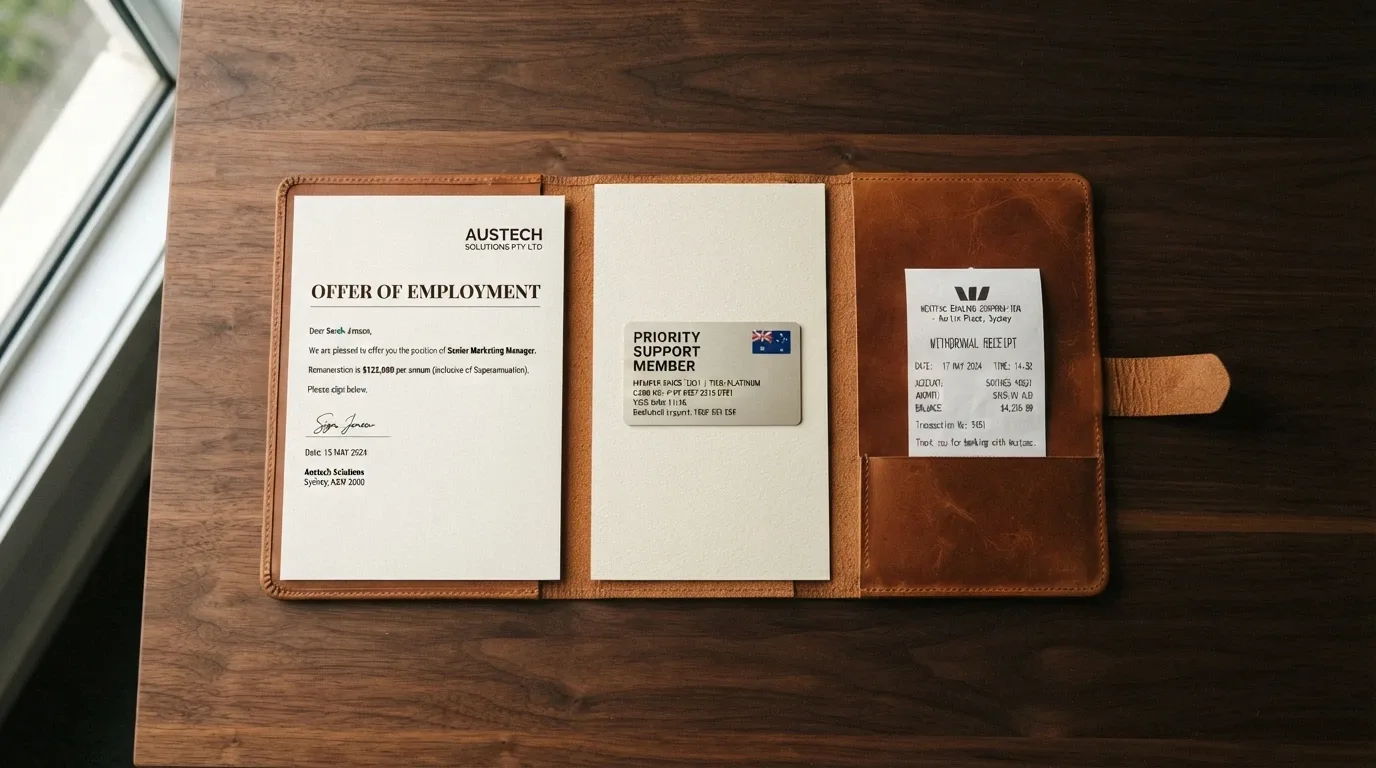
The most consequential benefit is the withdrawal ceiling. Standard accounts at most AU-facing offshore casinos cap at A$10,000 to A$20,000 per week. VIP accounts raise that to A$50,000 to A$100,000 or more, and crypto operators can drop the cap entirely. For a player depositing at VIP volumes, the standard-account cap is a structural problem — winning A$80,000 in a session on a standard account means four to eight weeks of withdrawals. The VIP cap is the difference between the same win clearing in one week or two.
The dedicated account manager is the second-most-consequential benefit, and the one that requires the most care. From Platinum upward at Caswino, from Gold upward at Jackpot Jill, the player has a named contact who can expedite withdrawals, escalate disputes, and tailor bonus offers. The manager is also the operator’s primary tool for retaining a player who has gone quiet, and the personalised offers that arrive through the manager are not always the offers a player would have chosen for themselves.
The Reward Catalogue: Birthday Bonuses, Personal Managers and Priority Payouts
The non-cashback benefits are the part of the VIP programme that does not show up in a comp-point table:
- Dedicated account manager. From mid-tier upward. Direct contact via phone, chat and email priority. The manager can expedite withdrawals, escalate bonus disputes and tailor offers to the player’s history.
- Priority payout processing. Withdrawals jump the standard queue. Processing time on the same payment method drops from 24 to 72 hours to minutes, depending on the tier. Caswino’s Diamond tier runs instant withdrawals; Jackpot Jill’s Diamond tier runs PayID in five minutes.
- Higher withdrawal ceilings. A$50,000 to A$100,000+ per week, or no cap at crypto operators. The structural benefit for high-volume players.
- Personalised bonus offers. Targeted reloads, free spin packages and tournament invitations based on the player’s betting history. The benefit comes with the caveat that the operator now has a detailed view of how the player bets.
- Birthday bonuses and event gifts. Specific dollar values are not usually published in standing T&Cs and vary by tier. The size of the gift scales with the tier.
- Invitations to exclusive events and tournaments. VIP-only slot races and live-dealer events with prize pools weighted toward the top tiers. The published prize pools in the featured set are smaller than the unrestricted operators, but the entry barrier is lower.
The catalogue is the part of the programme that does not run on comp points. It is the part the operator negotiates with the player, which is why the published terms usually undersell what the top-tier players actually receive.
Withdrawal Limits, Payout Speed and the Real VIP Advantage
The withdrawal ceiling is the most important number on a VIP account, and it is the one players most often underweight when choosing between operators. A standard account at an offshore casino can pay out A$10,000 to A$20,000 per week. A VIP account pays out A$50,000 to A$100,000 or more. For a player running sessions at VIP volumes, this is the difference between a withdrawal that completes in a week and one that takes a month.
The published payout speed is a different number. An operator may advertise “instant withdrawals” on its VIP page and still take 24 to 48 hours to process a first withdrawal, because the first withdrawal triggers a KYC review. Subsequent withdrawals clear faster. Crypto withdrawals are the fastest path: a crypto-native operator that removes the cap entirely and processes on the blockchain can clear a withdrawal in under an hour. AUD withdrawals through PayID, bank transfer or debit card are slower, with PayID the quickest and bank transfer the slowest.
For an Australian player, the AUD path is the relevant one. Jackpot Jill’s PayID in five minutes at Diamond is the speed benchmark; Caswino’s instant withdrawals at Diamond is the speed benchmark for a non-PayID operator. The advertised speed is what the operator aims for; the realised speed is what the player experiences, and the two diverge at the first withdrawal.
Inside the VIP Room: Access, Exclusivity and What Changes
The phrase “VIP room” comes from the land-based casino floor, where a high-roller is escorted past the public tables into a separate space with higher limits, private service and a quieter room. The online equivalent is not a room. It is a configuration of the account — higher per-spin and per-hand limits, faster withdrawals, a dedicated host — that produces a similar effect without a physical door.
The online VIP room, where it exists as a distinct product, is a dedicated game lobby with higher table limits and a separate tournament circuit. The access threshold varies by operator. Most featured operators do not publish a per-game VIP room; the higher limits are part of the tier-ladder perks, and the dedicated tournaments are invitations issued by the account manager.
The exclusivity at the online level is structural, not physical. The player’s account is configured for higher limits and faster payouts; the operator’s systems flag the account for priority handling. The visible experience is a faster withdrawal and a higher ceiling. The invisible experience is that the player’s betting history is now part of a relationship the operator manages actively.
Private Tables, High-Limit Rooms and the Online Equivalent
A land-based VIP room is private by design. The online equivalent is segregation by stake size, not by access. Most offshore casinos carry a small set of high-limit table games — VIP blackjack, VIP roulette, high-stakes baccarat — that open at higher per-hand minimums than the standard lobby. The games themselves are not different; the betting limits are. A standard-account player at the same table is playing at the lower minimum; a VIP player is at the upper one.
The genuinely segregated VIP room — a separate lobby with its own tournament circuit, its own account manager and its own bonus terms — is rarer. The featured operators do not all publish a distinct VIP room product. The most legible examples are at the top tiers of Caswino and Jackpot Jill, where the Diamond tier’s benefits are configured as a discrete product offering rather than a step on a ladder.
Club Tiers, Lounge Access and the Status That Opens Doors
The land-based loyalty programmes give a useful frame of reference for the online ones. The Star Club runs Silver at 100 tier points, Gold at 1,500, Platinum at 5,000 and Diamond by invitation, with Casino Dollars converting at 2:1 to A$1. Crown Rewards runs five tiers from Member to Black, with Status Credits that vary between Melbourne and Perth. These are the loyalty products a player can compare against, even if the offshore online VIP programmes do not match them on the consumer-protection side.
Caswino’s five-tier ladder (Bronze to Diamond) maps loosely to The Star’s four tiers, with the difference that Caswino’s top tier is reachable through wagering volume rather than by invitation. Jackpot Jill’s six tiers (Bronze to Royal) extend the ladder one rung further, with Royal invitation-only. The shape is the same as the land-based programmes; the licensing and the consumer protection are not.
The Pokies and Tables a VIP Player Unlocks
The game access at a VIP tier is a function of three things: the operator’s game library, the per-spin and per-hand limits the account is configured for, and the provider mix that feeds the VIP-exclusive lobbies. For an Australian player, the provider mix is the most distinctive feature — local-favourite studios like IGTech (Wolf Treasure) and RealTime Gaming (Fair Go’s 280-title library) carry games that offshore-only studios do not.

The pokies the VIP free spins land on tell the player where to start. Rocket Play’s 100 free spins are on Aztec Magic by BGaming, a high-volatility slot with a wide bet range. SkyCrown’s 400 free spins are spread across IGTech, Booongo and Voltent titles, with the highest counts on Wolf Treasure (125) and Mighty Wild: Panther (150). Caswino’s 255 free spins land on a 62-game eligible set from Pragmatic Play and Play’n GO, giving the player more choice but spreading the play across more titles.
The Pokies a VIP Player Gets First Access To
The free-spin allocations are a useful map of which games the operator wants the VIP player to play. They are also, not coincidentally, the games the operator is most willing to give away — the high-volatility pokies with the widest bet ranges, where the house edge and the bonus mechanics are calibrated to absorb a free-spin bonus without losing money on the campaign.
Australian pokie preferences run toward IGTech and Aristocrat-style games, with Hold & Spin and jackpot mechanics. The featured operators’ free-spin allocations reflect that: SkyCrown’s Wolf Treasure and Mighty Wild: Panther are Hold & Spin-style games; Coin Volcano and 15 Dragon Pearls are Booongo’s Asian-themed Hold & Win mechanics. The VIP player who already knows these games will not learn much from the free spins. The player who does not is getting a usable introduction to the operator’s local-favourite catalogue.
Table Games and High-Limit Play for Top-Tier Members
Table games contribute to VIP tier progression at a different rate than pokies, and the rate is rarely favourable. Bizzo’s one-CP-per-A$30 rate applies to pokies; the table-game contribution rate is not published on the operator’s VIP page in a form the review could verify. Most offshore operators run table games at a reduced CP contribution rate, on the logic that the house edge on table games is lower and the operator does not want to subsidise a comp-point strategy that runs primarily on blackjack.
The high-limit table experience is where the VIP room concept translates most directly. VIP blackjack, roulette and baccarat at higher per-hand minimums are available across the featured set, with the highest limits reserved for the top tiers. The live-dealer VIP tables, where the player is dealt by a named croupier in a studio configured for high-stakes play, are the closest online equivalent to a land-based VIP room. The featured operators’ live-dealer VIP tables are not all documented in this review pass, but the live-dealer product is standard across Curaçao-licensed casinos on the SoftSwiss and Pragmatic Play Live platforms.
Exclusive Tournaments and VIP-Only Game Events
The tournament circuit is the part of the VIP offering that scales with tier. The featured operators’ tournament data did not surface at the level the page can verify, so the write-up here is qualitative. A VIP player at the top tier of an active programme can expect monthly slot races with prize pools in the five-figure to low-six-figure USD range, weighted toward the highest-volume players, with the largest prizes at the top of the leaderboard. Live-dealer tournaments sit alongside, with smaller prize pools but a higher concentration of high-stakes players.
Rainbet’s US$1.7M monthly race pool is the offshore benchmark. Rainbet is restricted in Australia and is cited here for context only. The featured operators’ prize pools are smaller, but the entry barriers are lower and the eligibility is real. A player who reaches the top tier of an active VIP programme and is not entering tournaments is leaving the most contest-driven part of the reward catalogue on the table.
Crypto VIP Programs: Higher Limits, Less Paper Trail
The crypto VIP programme is a different product. The deposit route is Bitcoin or another cryptocurrency, the verification is lighter, and the withdrawal ceiling is often higher than the fiat equivalent. For an Australian player, the legal frame is the Interactive Gambling Amendment (Credit and Other Measures) Act 2023, which banned crypto as a payment method for online wagering from 11 June 2024 — but that ban applies to Australian-licensed operators. The crypto VIP programmes at offshore operators are outside the regime.

The bank-blocking provision coming into force on 1 January 2027 is the new risk. Australian banks will have express authority to refuse or return transactions to illegal operators, and a crypto purchase that flows through an Australian exchange to an offshore casino wallet may be reversed at the banking layer. The risk is not symmetrical — a direct on-chain transfer from a non-custodial wallet is harder to block than a card transaction through an Australian bank — but the legal direction is clear and the operational consequences are still being worked through.
Bitcoin Deposits and the Crypto Casino VIP Track
Crypto deposits clear faster than fiat. A Bitcoin deposit typically confirms on the blockchain inside an hour, compared to 24 to 72 hours for an Australian bank transfer. The withdrawal ceiling at a crypto operator is often uncapped, or capped at a level an order of magnitude higher than the fiat equivalent. The minimum deposit at a crypto casino is typically lower than at a fiat casino, because the operator does not absorb the same payment-processing cost.
The VIP tier thresholds at crypto casinos are typically set in USD or crypto-unit equivalents, with the conversion rate updating on a published schedule. The mechanic is the same as the fiat programme — comp points earned per unit wagered, with tier thresholds in cumulative volume — but the absence of a payment processor in the middle means the operator can run the rakeback cycle tighter. The 15-minute rakeback cycle that defines the most aggressive crypto VIP programmes is not feasible at a fiat casino, where the bank-side processing cost makes that frequency uneconomic.
Anonymity, No KYC and the Trade-Offs of Crypto VIP Play
The lighter verification at crypto casinos is the headline benefit and the headline risk. Some crypto casinos run a no-KYC model at withdrawal, which means the player is not supplying identity documents to the operator. The upside is privacy. The downside is that the operator has no identity trail, and a player whose withdrawal is refused or whose account is closed has no regulator to escalate to and no identity record to support a complaint.
The 2026 reform’s bank-blocking provision adds a second risk. The transaction-blocking authority applies to illegal operators, and an Australian bank that identifies a transfer to a known illegal operator can refuse or return the transaction. A player using a non-custodial crypto wallet and an offshore exchange can route around the bank layer, but the legal direction is toward tighter controls and the practical options narrow with each reform.
The trade-off is real. The privacy is real. The absence of protection is also real. A player who chooses a crypto VIP programme for the speed and the ceiling is choosing it knowing that the operator’s own terms, not Australian law, govern the account.
Keeping VIP Play Within Reach: Limits, Tools and the Real Numbers
The harm data is the part of the page a VIP player is least likely to read and most needs to. Roy Morgan’s 2026 figures show 15.1% of Australian adults — an estimated 3.32 million people — experiencing some level of gambling harm, with 13.0% (roughly 2,857,000) experiencing harm from their own gambling. Risky gambling increased from 13.7% in 2024 to 19.4% in January 2025, almost double the 2020–2021 COVID lockdown baseline. The Australian Institute of Health and Welfare’s 2022 figure put problem gambling at around 2.1% of adults (roughly 430,000 people).
The help infrastructure is real and it is underused. The National Gambling Helpline (1800 858 858) is free, confidential and staffed around the clock. Gambling Help Online (gamblinghelponline.org.au) provides online chat and counselling. BetStop — the National Self-Exclusion Register — holds 59,830 registrations and 37,247 active exclusions as of 31 March 2026, with 77% of registrants reporting better overall quality of life and 79% reporting improved mental health.
The gap is the awareness gap. Only 33.5% of Australian wagerers know BetStop exists, according to the Australian Gambling Research Centre. Of the estimated 400,000 high-risk gamblers, only 30,000 have active exclusions. The help is there. The reach is not.
The Tools a VIP Player Has for Setting Boundaries — and the Ones That Are Missing Offshore
Every Australian-licensed wagering operator offers operator-level responsible-gambling tools: deposit limits, loss limits, session timers, take-a-break, and self-exclusion from that specific operator. These are the tools that connect to BetStop at the licensed end of the market.
The offshore VIP casino sits outside that connection. BetStop binds Australian-licensed wagering services only; an offshore casino is not connected to the register. A player who self-excludes from a licensed bookmaker and then deposits at an offshore VIP casino has not self-excluded at all. The operator-level tools at the offshore casino — deposit limits, session timers, self-exclusion from that specific site — exist in most cases, but they are not connected to any external register, and the player who wants a hard exclusion needs to set it at every operator they use.
The practical step for a VIP player who wants to set limits at an unlicensed operator is the same as for any other player: contact the operator’s support, request a deposit limit or self-exclusion in writing, and confirm the limit is applied before continuing to play. The mechanism is slower than BetStop, and the enforcement is weaker, but the operator-level tool is the only one that reaches an offshore casino at all.
How We Evaluated These VIP Casino Programs
The operator set was drawn from the AU operators skill, filtered for casino and pokies product. The licensed wagering operators (Sportsbet, TAB, Bet365, Ladbrokes, TABtouch, PointsBet, Neds, Betr, Picklebet, Betfair) were excluded because they are licensed wagering rather than casino. Rainbet was considered and excluded because its own T&Cs list Australia as a fully restricted territory.
The licence-status check ran each operator’s terms and licence disclosures against the ACMA register and the operator’s published corporate information. None of the featured operators holds an Australian casino licence, because no such licence exists. The Curaçao licences held by several operators are recorded where research confirmed them; the unconfirmed ones are flagged in the operator write-up.
The ranking criteria were qualitative: VIP-programme depth, bonus transparency, cashback and rakeback availability, withdrawal-limit clarity, and the presence of a confirmed Australian-facing player base. No numeric weighting was applied. The data-limitation note is honest: several operators’ VIP and bonus terms did not surface at the level this review could verify, and those operators are flagged in the ranking.
What to Check Before You Commit to Any VIP Program
The page is not going to pick an operator. The seven questions below are the ones a player answers before depositing, and they are the questions that determine whether the VIP programme delivers what the marketing page claims.
Is this operator licensed anywhere, and does that licence protect me? Every featured operator is offshore. The licence is real where the operator has confirmed a Curaçao or other jurisdiction, but the licence does not provide Australian consumer protection. A player who needs recourse if the operator refuses a withdrawal is choosing a product that does not have one.
What is the real cost of the welcome bonus? The wagering requirement, the validity window and the max bet are the three numbers. A A$1,000 bonus at 40x in 5 days at A$7.50 max bet is a workload the player needs to clear. The marketing page shows the bonus; the T&Cs show the workload.
What is the weekly withdrawal ceiling, and does VIP status raise it? Standard accounts cap withdrawals at A$10,000 to A$20,000 on a weekly basis. VIP accounts raise this to A$50,000 to A$100,000 or more. The ceiling matters most for a player depositing at VIP volumes.
What payment methods work, and what is the AUD route? PayID, bank transfer and debit card are the standard AUD routes. Crypto is faster but adds bank-blocking risk from 1 January 2027. The deposit method determines the withdrawal method.
What responsible-gambling tools are available, and what is the BetStop status? The operator-level tools (deposit limits, session timers, self-exclusion) are the only ones that reach an offshore casino. BetStop does not.
Has the operator been blocked by the ACMA, and is it on any enforcement list? The ACMA’s blocked-sites list is public. An operator on the list is one a player should think twice about depositing with, even if the site is still reachable.
Which of the featured programmes offers the clearest terms, not the biggest headline number? The A$15,000 welcome at Caswino and the A$8,000 package at SkyCrown are the largest figures. The A$1,000 single-deposit match at Rocket Play is the smallest headline and the cleanest clearance path. The clearest terms are the ones the player can read in full and verify before depositing.
The question the page does not answer is which operator is best. That is the reader’s call, and the call depends on the player’s bankroll, the player’s preferred games and the player’s tolerance for an offshore relationship with no Australian recourse. The data on the page is what the call is made from.
Frequently Asked Questions
Is playing at an online VIP casino legal in Australia?
No. Under the Interactive Gambling Act 2001, online casino games, pokies, and in-play betting are prohibited for people in Australia. There is no such thing as an Australian online casino licence. Every site accessible here is operating offshore without the consumer protections found in the licensed Australian wagering market.
What happens to my VIP status if the offshore casino is blocked by the ACMA?
An ACMA domain block restricts your access to the operator’s current website, but it does not terminate your account. Operators often switch to alternative domains to maintain service. Your VIP status and funds remain on their system, though the risk of losing access remains until the operator withdraws from Australia.
How do VIP tiers work at Australian-facing online casinos?
Most VIP programmes operate on a points-based ladder. You earn comp points for every dollar wagered, which helps you progress through tiers (like Bronze, Silver, Gold). Higher tiers usually offer better cashback rates, increased withdrawal limits, and sometimes a dedicated account manager. Progression is entirely based on your total real-money wagering volume.
What is the difference between cashback and rakeback in a VIP program?
Cashback is typically calculated as a percentage of your net losses over a set period, such as weekly or monthly. Rakeback is a percentage of every wager you place returned to you, regardless of whether you won or lost. Programmes often combine both to reward both total throughput and net performance.
Can I use BetStop to self-exclude from an offshore VIP casino?
No. BetStop is the National Self-Exclusion Register for Australian-licensed wagering services. Offshore casinos are not connected to this register and do not honour BetStop exclusions. If you need to self-exclude from an offshore casino, you must request it directly from the operator’s support team in writing and confirm their compliance.
What payment methods can Australian VIP players use to deposit?
Standard AUD routes include PayID, bank transfer (Osko), BPAY, and debit card. While offshore operators may accept crypto, Australian law prohibits credit and crypto as payment for online wagering. Note that from 1 January 2027, banks have authority to block transactions to illegal gambling operators, which may affect all payment routes.
What are the typical wagering requirements on VIP bonuses at Australian-facing casinos?
Welcome bonuses generally sit in the 30x to 40x wagering range. Multi-deposit packages usually require 35x to 40x turnover. Bonus validity periods are typically 5 to 14 days. No-deposit offers often carry higher playthrough requirements, between 40x and 60x on winnings, and usually come with a maximum cashout cap of A$50 to A$100.